
March marks Adopt A Rescued Guinea Pig Month. We’re happy to highlight these beloved children’s pets. Guinea Pig popularity has increased significantly since the start of the pandemic. If you want a small, adorable, and low-maintenance pet, you may want to consider adopting a Guinea pig (also known as a cavy). Keep reading as a Markham, ON veterinarian addresses some common inquiries about Guinea pig adoption.
Why Are There So Many Guinea Pigs In Need of Homes?
Many factors come into play here. Sometimes, owners move and can’t (or just don’t) take their cavies with them. Children also sometimes beg for pets, but then lose interest in them. This, sadly, often results in the pet being rehomed. Other Guinea pigs become available for adoption because of bad luck, such as death or illness of an owner, or even financial hardships.
It’s also worth pointing out that many people buy Guinea pigs as impulse purchases, without realizing how much care they need. We know, it’s hard to resist those cute faces. However, it’s important to do lots of research and think carefully before adopting any animal.
How Hard Is It To Care For Guinea Pigs?
A Guinea pig isn’t the hardest pet to maintain, but they do require daily attention. As far as food is concerned, your tiny pal will require grass hay, commercial pellets, and about a cup of safe fruits and vegetables every day. You’ll also need to provide fresh water and spot-clean your pet’s cage to remove waste and uneaten food.
Guinea pigs also need supervised free time in a safe place every day.
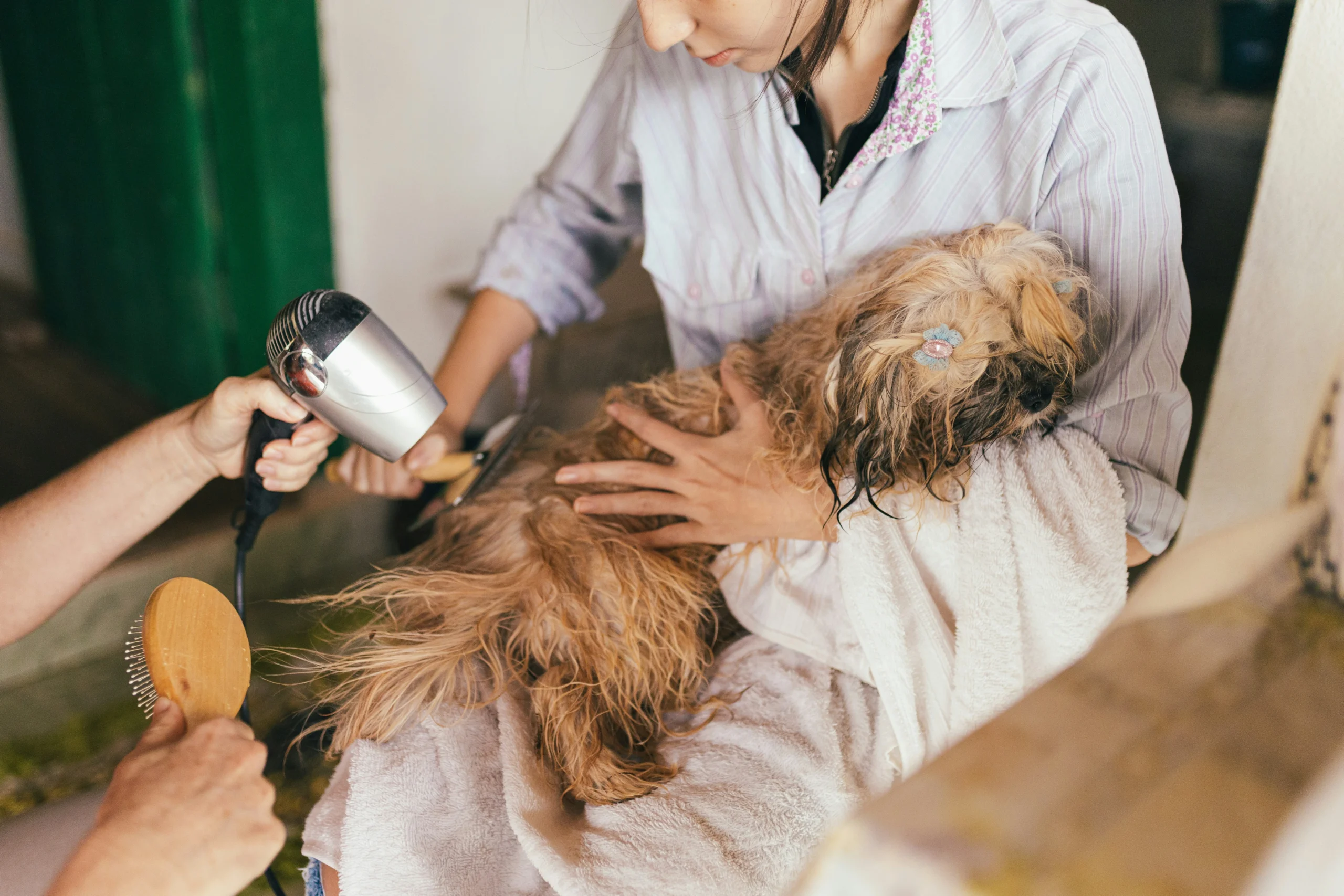
Your pint-sized pal will also need some beauty care. Ear cleaning and nail trims are musts. Some cavies will only need brushing, while others–particularly longhaired ones–do need occasional baths. Check with your veterinarian for specific recommendations.
Do Guinea Pigs Have To Have Toys?
Yes! These cute little furballs are very playful. They also need lots of chew toys. Like many other small pets, they have open-rooted teeth, which never stop growing. Mazes and solid exercise wheels are also very popular with smaller animals.
You don’t have to break the bank on playthings. You can make many toys yourself from household items, like paper, cardboard, or even wood. Just be sure to only choose safe options. Do not give your adorable pet anything small or sharp. Items covered in decorative coatings, like paint, varnish, glitter, or dye, are also dangerous. Ask your Markham, ON vets for more information.
Do Guinea Pigs Cost A Lot?
Guinea pigs are one of the least expensive pets to maintain, but that doesn’t mean they are free. While a good cage is a one-time expense, you’ll need to provide food, bedding, toys, and veterinary care.
Do Guinea Pigs Make Good Pets for Kids?
Guinea pigs are one of the most popular pets for kids, and with good reason. They’re quiet, gentle, cute, and easy to care for. That said, we really do not recommend getting pets for kids that are younger than about five or six, unless you’ll be caring for the animal yourself.
What Are Some Interesting Guinea Pig Facts?
The most surprising fact about Guinea pigs is probably that they are not pigs, nor are they from Guinea. The tiny furballs we know and love today are relatives of wild cavies that live in South America, particularly in the Andes of Peru. During the 16th century, Spanish, Dutch, and English traders introduced them to North America and Europe. Their popularity quickly grew. Queen Elizabeth even had one of them as a royal pet!
What Is The Purpose Of Adopt A Rescued Guinea Pig Month?
Back in 2002, Julie Morris, ASPCA senior vice president for National Shelter Outreach, chose March as the month for this awareness event. The goal of this campaign was (and is) to raise awareness about abandoned Guinea pigs in need of homes, and to encourage people to adopt them from shelters and rescues.
What Are The Benefits Of Choosing A Rescued Guinea Pig?
Every living being deserves to be treated with love and kindness. This applies to all of our animal friends, from the tiniest mouse to massive cows. We’re always willing to advocate giving abandoned pets a second chance. Giving an animal-no matter how big or small- a new beginning can be a rewarding experience.
We can also tout some of these cute furballs’ perks. They’re not only absolutely adorable, they’re also fun, gentle, and easy keepers. They can even learn tricks!
How Can I Tell If My Guinea Pig Is Sick?
No matter what type of pet you have, it’s important to watch for signs of sickness. If you notice any signs of sickness in your pet, contact your veterinarian immediately.
Watch out for these things:
- Diarrhea
- Limping
- Stumbling
- Bloody urine
- Hair loss
- Skin irritation
- Lumps, bumps, or lesions
- Erratic/Unusual behavior
- Weight loss
- Dull, red, sunken or watery eyes
- Lethargy
- Sitting in stiff or hunched positions
- Withdrawal
- Lack Of Appetite
- Refusing Water
- Crust on eyes
- Unkempt Fur
- Drooling
Contact your veterinary clinic immediately if you spot any of these things.
What Are Some Cavy Care Mistakes?
When you adopt an animal, you’re taking responsibility for its health, happiness, safety, and comfort. Each pet has their own care needs, so it’s important to do some research.
That said, here are some of the most common mistakes:
- Not Petproofing: These guys need daily play time. However, it’s crucial to make sure the area they are allowed in is safe.
- Lack Of Vitamin C: Cavies need Vitamin C to stay healthy. If they don’t get enough, they could develop scurvy.
- Getting Just One: Guinea pigs are very sociable, and need buddies!
- Wire Housing: While you may find cages with wire floors that are advertised as being for Guinea pigs, wire floors are actually a horrible choice. They don’t hold bedding, and can even cause paw injuries.
- Letting Them Interact With Other Pets: You can certainly have Guinea pigs, cats, and dogs, but you should never let them play together.
Ask your Markham, ON veterinarians for more information.
What Annoys Guinea Pigs?
We all have pet peeves. This applies to our animal companions, too!
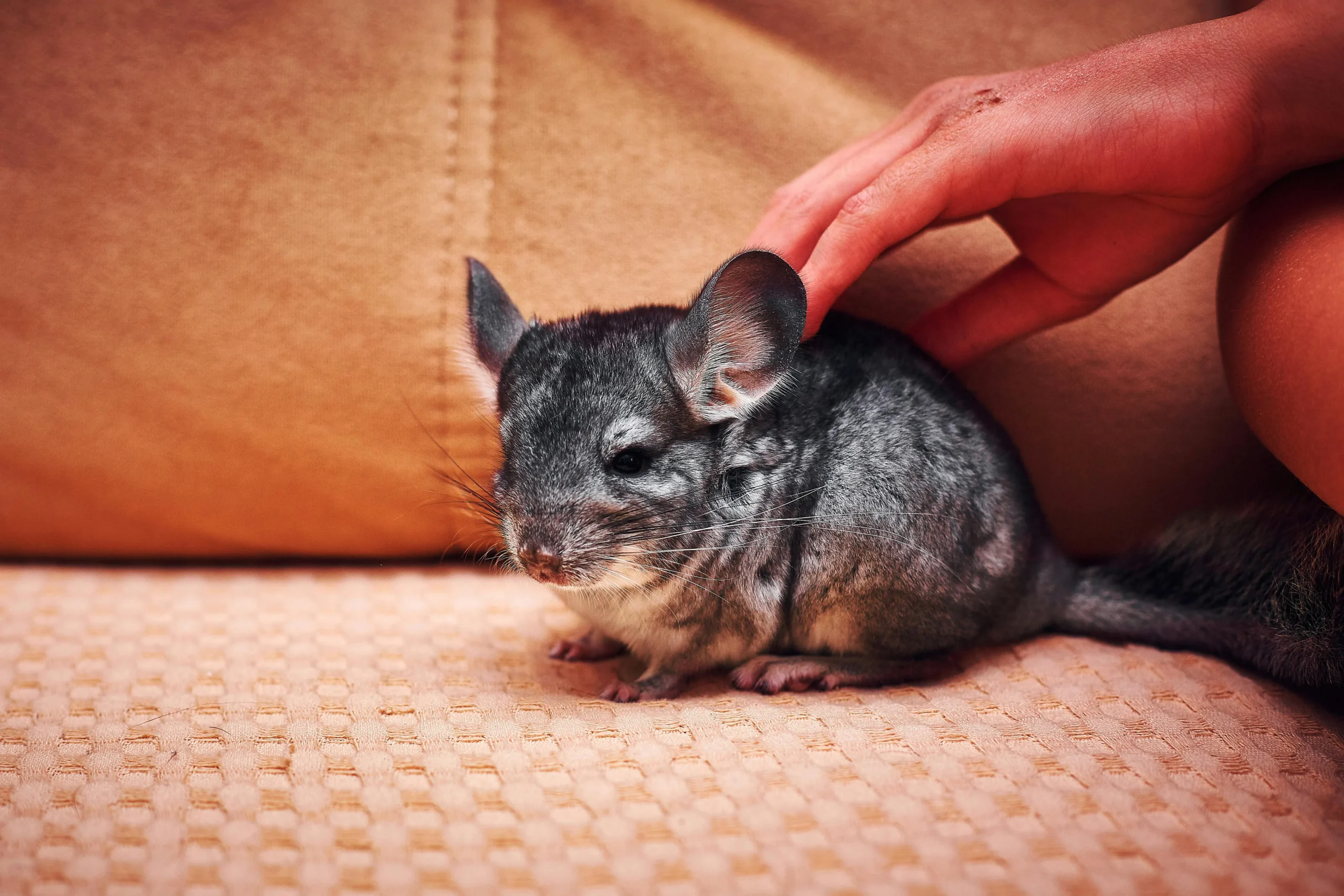
As far as what rubs cavies the wrong way, well, first and foremost, being rubbed the wrong way! You might find that your pet dislikes being touched or petted in certain areas. Basically, anything outside the head, back, and shoulders should be avoided.
Other things these tiny furballs dislike? Being picked up or held against their will is a big one. Guinea pigs are also not fond of loud noises, car rides, or strong odors, nor do they care for dirty cages, dirty litter boxes, or dirty hay.
Do I Need To Handle My Guinea Pig Every Day?
Guinea pigs are generally more social and friendly than other pocket pets, such as hamsters, mice, and gerbils. Some even like to snuggle up in their human’s laps! However, it’s important to establish trust. Playing, petting, and holding your little buddies will help you bond with them and can make them feel safe and loved. (Treats don’t hurt here, either.) Just be sure to let your little friends settle in before you handle them.
Contact us, your Markham, ON pet hospital, if you have any questions about Guinea pig care. We’re here to help!

!Social Media Icons