




Have you recently adopted a puppy? Congratulations! Getting a new pet is always fun and exciting. Puppies are not only absolutely adorable, they’re also lots of fun. Of course, you’ll have quite a lot of work to handle that first year. One of the biggest things on your agenda? Housebreaking. Read on for some helpful tips from a local veterinarian.
Go All-In
Potty training your pet will take up quite a bit of time … in the short run. Once your canine pal is fully trained, you’ll be able to scale back to regular walks. For now, though, plan to walk little Fido quite a bit.
How Often Should I Walk My Puppy?
While some dogs mature more quickly than others, there are a few rules of thumb you can go by. The easiest way to remember it is to go by your canine pal’s age. Puppies can generally hold it for just about an hour for every month of their age. Therefore, a two-month-old pooch will need to go out about every two hours, while a three-month-old puppy should go out every three—or at most four—hours. By the time Fido is about seven months old, he’ll be able to hold it for seven hours.
You’ll want to immediately take little Fido outdoors if you see any indications that he needs to go. You may see your puppy sniffing his rear or turning in circles. He may also start sniffing the ground. This is usually a sign that a pooch is picking the perfect spot to do his business. Squatting, of course, is also a giveaway, but you may already be too late by that point.
Once your pet starts to get the hang of it, he may also bark or scratch at the door. Some dogs will paw at you, whine, or give you that ‘I gotta go’ look.
We also would recommend walking your pet at the following times:
- After Meals
- Before Bed
- In The Morning
- Before You Leave/Come Back
- When You See Signs
Also, keep in mind that, in general, big dogs can hold it longer than small breeds. Ask your vet for more information.
Hit The Same Spot
When it comes to training dogs, consistency is always key. With potty training, it’s important for you to make the process of going outside as routine as possible. Try to go to the same spot every time. If you are in an apartment and need to walk, use the same route. This will help Fido ‘mark’ his territory with his scent.
Be Prepared
Always keep a leash handy. You may want to hang one at the door. That way, you’ll be able to get your little buddy outside as soon as he indicates having to go.
Keep Your Puppy On A Consistent Feeding Schedules
This one isn’t just important for potty training: it’s also just good for general pet care purposes. Dogs always feel more secure when they are on a steady schedule. However, as far as housebreaking goes, this helps keep things on a set schedule.
Monitor Fido’s Water Intake
If Fido slurps up half of the contents of his water bowl in one go, he’ll probably need to go shortly after. If you see your pooch drinking a lot of water, take him out right after.
Take Lots Of Walks
As your pet gets into the swing of things, he’ll begin to associate walks with relieving himself. For now, you may have to spend a bit more time outdoors than you will down the road. Basically, you’ll need to stay out until little Fido relieves himself. As soon as he does, heap him with loads of praise and offer a treat.
Keep Up The Pawsitive Reinforcement
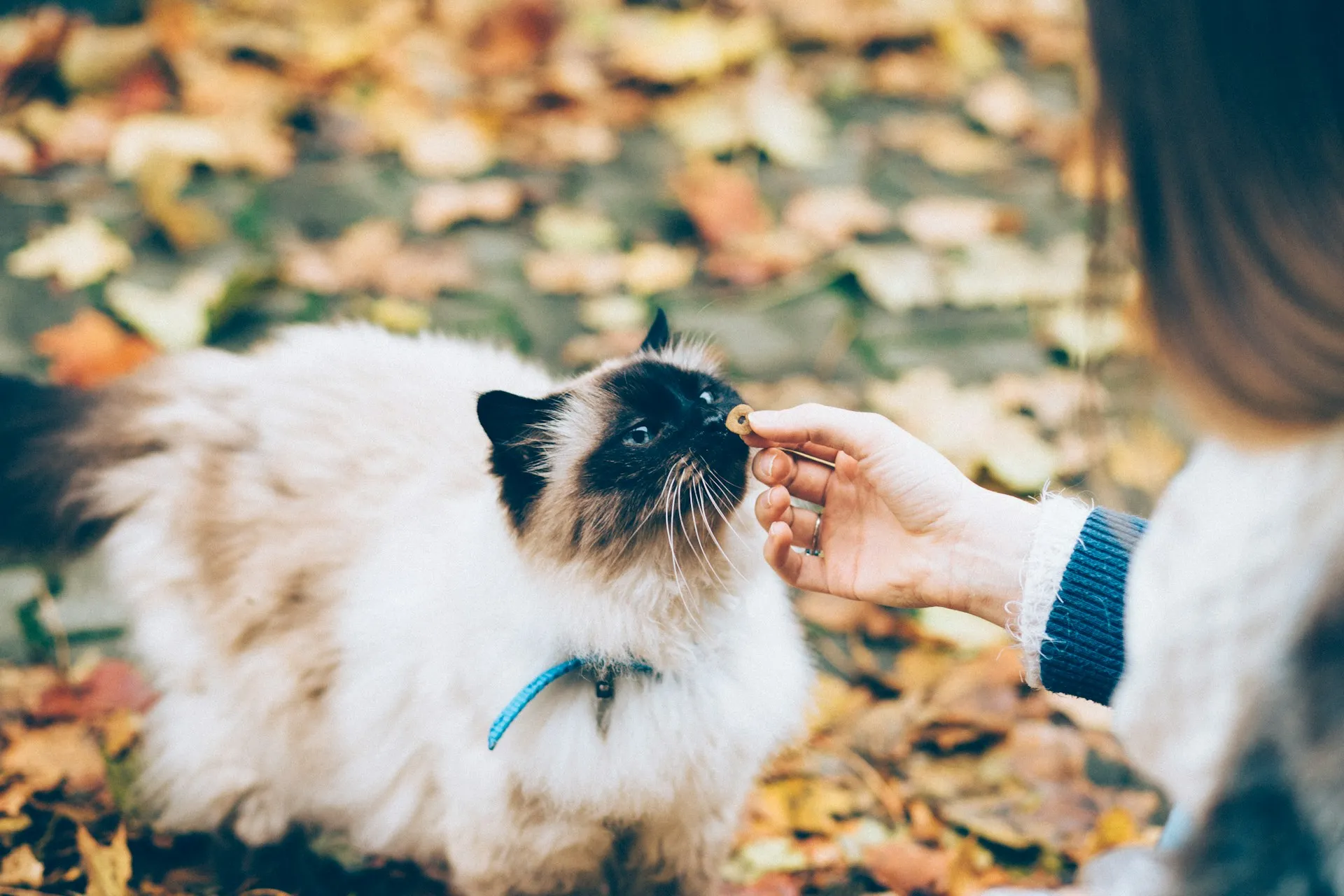
We always advocate using a system that focuses on rewards rather than punishment when training animals. That means praising and petting little Fido and offering him treats every time he does his business outdoors. Eventually, you’ll be able to scale back. For now, you just want your pet to understand that going outside will make you happy and will earn him love, attention, and treats… all of which are some of his favorite things.
Crate Train
Crate training actually works very well in conjunction with housebreaking. Dogs naturally try to avoid eliminating in the same spot where they eat and sleep. Who can blame them? Little Fido may not be bothered if he makes a mess in the kitchen and then goes to play in the living room, but he won’t be thrilled about soiling his bed.
The key with crate training is that you have to be sure you’re doing it properly. Many dogs feel secure and comfy in their crates. You want Fido to think of his crate as his safe little den … not a jail cell. Adding bedding and toys can go a long way here.
Crate training should also happen in stages. At first, just give Fido toys, treats, and attention near his crate. Next, you can toss toys or treats into it for him. You can start to feed him in the crate as well. Eventually, you’ll move up to closing the door while your pooch is eating. Ask your vet for training tips.
A word on choosing crates? If your canine pal is expected to grow quite a bit, get a crate that will still fit him in a year. Otherwise, you’ll be upgrading within a few months.
Don’t Get Upset Over Messes
Dogs are wonderful pets, but they aren’t perfect. Even fully housebroken dogs have accidents from time to time. That’s normal. If little Fido makes a mistake, don’t punish him. If you happen to see it, you can reprimand him in a stern voice. However, anything more than that may just confuse and frighten the little guy.
Have Cleaning Supplies On Hand
Be prepared to pick up after the little guy, especially until he is fully trained. You’ll want to get a product that doesn’t contain ammonia, which will only reinforce the smell of urine. Bleach also won’t cut it. An enzyme-based cleaning product is your best bet. It may also be a good idea to get a good rug shampooer, even if it’s just a small handheld one.
Moving Forward
Once your pet has the basics down, you can start taking him to new places. Going to parks and trails can also be great for socialization! You’ll also need to get your furry pal used to going outdoors in various situations, such as when it’s dark or rainy. Keep training treats on hand, and don’t forget to praise your four-legged pal.
Think Twice About Pee Pads
Pee pads, as you may know, are products that are designed to facilitate housebreaking. The idea is that first the puppy learns to use the pad, then they learn to go outside. These can be helpful in some circumstances. For instance, if you know you’ll be out longer than usual, it may not be a bad idea to put one down. However, these could just confuse your pet, and actually make the house training process take longer. Ask your vet for information on these.
Make An Appointment At Our Veterinary Clinic
Have you recently adopted a puppy? Congratulations! Please feel free to reach out to us for all of your canine pal’s veterinary care needs. We are always here to help!




!Social Media Icons