

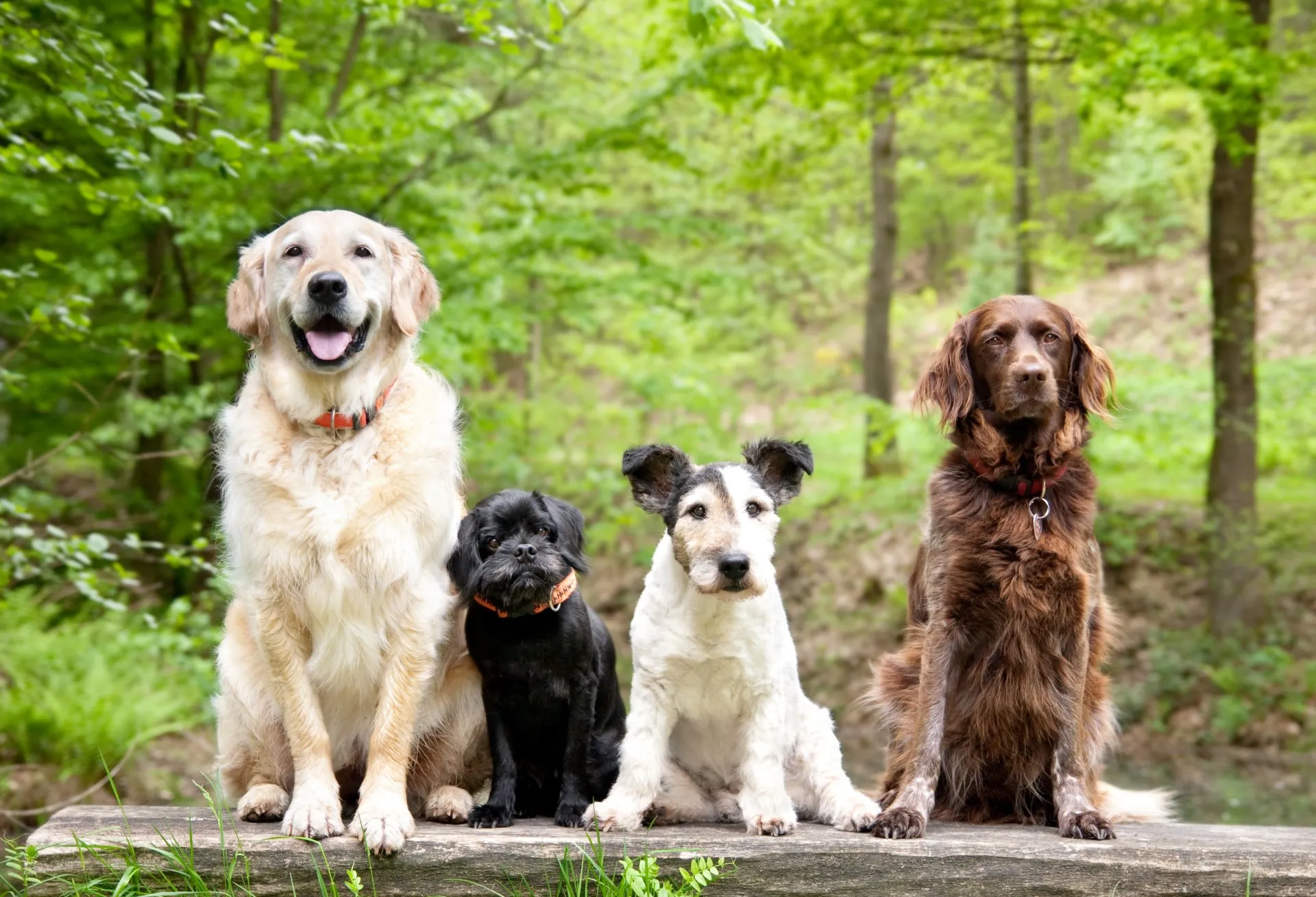



You head outside with your canine companion for a pleasant walk, only to watch them stop and take a mouthful of grass as if they are grazing in a pasture. If this sounds familiar, you’re not alone. At Markham Vet Clinic, your Unionville, ON veterinary clinic, one of the more common behavioural and health questions pet owners ask involves why dogs eat grass. While this habit can seem strange, it is actually quite common among dogs of all breeds, ages, and lifestyles.
Many owners worry that grass eating automatically means their dog is sick. In reality, there are several possible reasons dogs eat grass, and many are completely normal. Understanding occasional grazing behaviour, recognizing patterns of frequent grass-eating, identifying other unusual eating habits, and knowing when eating grass is a concern can help you determine whether your pup’s behaviour is harmless or warrants a closer look.
Is It Normal for Dogs to Eat Grass?
The short answer is yes.
Many healthy dogs occasionally nibble on grass. Studies and owners’ observations have shown that grass-eating is a common behaviour in dogs and often occurs even when there are no signs of illness.
Dogs have displayed this behaviour for generations, and it appears across a wide range of breeds and environments.
While the exact reason is not always clear, occasional grass consumption is generally considered a normal canine behaviour.
Why Dogs Eat Grass: The Most Common Theories
Although researchers continue to study this behaviour, several explanations may help answer why dogs eat grass.
The reality is that different dogs may eat grass for different reasons.
Instinctive Behaviour
Some experts believe grass eating may be linked to instincts inherited from wild canine ancestors.
Wild canids consume a variety of plant materials indirectly through prey and occasionally directly from the environment.
This suggests that plant consumption may simply be a normal part of canine behaviour for some dogs.
Curiosity and Exploration
Dogs investigate the world using their mouths.
Grass has a unique texture, scent, and taste that may capture your dog’s interest.
Puppies and younger dogs, in particular, often experiment with different objects and surfaces as they explore their surroundings.
Enjoying the Taste
Sometimes the simplest explanation is the correct one.
Many dogs appear to genuinely enjoy the taste or texture of certain grasses.
Fresh spring growth may be especially appealing to some canine companions.
In these cases, grass eating may have little to do with health concerns and more to do with personal preference.
Dog Eating Grass Frequently: Should You Be Concerned?
Occasional grass consumption is generally not considered unusual.
However, frequent dog grass-eating may warrant closer observation.
The key is evaluating the overall context.
Questions to Ask Yourself
Consider the following:
- Is your dog eating grass occasionally or constantly?
- Has the behaviour recently increased?
- Are other symptoms present?
- Is appetite otherwise normal?
- Has your dog’s energy level changed?
The answers can help determine whether the behaviour appears harmless or potentially linked to an underlying issue.
Do Dogs Eat Grass to Make Themselves Vomit?
This is one of the most common beliefs surrounding why dogs eat grass.
Many people assume dogs deliberately eat grass to induce vomiting when they feel unwell.
While some dogs do vomit after eating grass, research suggests that vomiting does not occur in most cases.
What the Research Suggests
Many dogs consume grass without showing signs of illness beforehand and without vomiting afterward.
This suggests that grass-eating is often unrelated to attempts to settle an upset stomach.
That said, some dogs may occasionally seek out grass when experiencing mild digestive discomfort.
The behaviour can vary between individual pets.
Reasons Dogs Eat Grass Related to Digestion
Although not every case involves digestive concerns, gastrointestinal factors may contribute in some situations.
Mild Stomach Upset
Some dogs appear to seek grass when experiencing temporary digestive discomfort.
The exact reason remains unclear, but owners sometimes report increased grass consumption during episodes of stomach upset.
Dietary Factors
Some theories suggest that certain dogs may consume grass because they are seeking additional fibre.
Fibre plays an important role in digestive health and normal bowel function.
However, most dogs on balanced diets receive adequate nutrition, making this explanation only one of many possible factors.
Unusual Dog Eating Habits Beyond Grass
Grass consumption is relatively common, but other unusual dog eating habits may deserve more attention.
Eating Non-Food Items
Dogs that consume items such as:
- Rocks
- Fabric
- Plastic
- Dirt
- Wood
- Paper
may require veterinary evaluation.
Unlike occasional grass-eating, the consumption of non-food objects can pose significant health risks.
Sudden Changes in Eating Behaviour
A dog that suddenly develops new eating habits or becomes fixated on consuming unusual materials may be communicating that something has changed physically or behaviourally.
Any significant behaviour change deserves attention.
Boredom and Environmental Factors
Some dogs eat grass simply because they are looking for something to do.
Mental Stimulation Matters
Dogs benefit from:
- Exercise
- Training
- Interactive play
- Enrichment activities
- Social interaction
Without sufficient stimulation, some dogs create their own entertainment.
For certain dogs, grass chewing may become a habit that fills idle time.
Outdoor Exploration
Many dogs enjoy investigating scents and textures during walks.
Grass consumption may simply be part of a broader exploration process.
This is particularly common among curious or highly food-motivated dogs.
When Eating Grass Is a Concern
Most cases are harmless, but there are situations where eating grass becomes a concern.
Contact Your Veterinarian If:
- Grass eating suddenly increases
- Vomiting occurs repeatedly
- Appetite changes develop
- Weight loss occurs
- Diarrhea develops
- Lethargy appears
- Other unusual symptoms are present
These signs may indicate an underlying medical issue requiring evaluation.
Watch for Pesticides and Chemicals
One of the biggest concerns surrounding grass consumption is not necessarily the grass itself.
Lawns may be treated with:
- Herbicides
- Pesticides
- Fertilizers
- Other chemicals
These substances can present health risks if ingested.
Whenever possible, prevent access to treated areas and be aware of local lawn care practices.
Could Anxiety Play a Role?
Behavioural factors sometimes contribute to grass eating.
Stress-Related Behaviours
Dogs experiencing stress or anxiety may develop repetitive behaviours.
For some dogs, this can include increased grass consumption.
If grass-eating occurs alongside other behavioural changes, further investigation may be helpful.
Signs of Anxiety
Potential indicators include:
- Excessive barking
- Pacing
- Destructive behaviour
- Restlessness
- Increased clinginess
Addressing the underlying emotional cause often helps reduce associated behaviours.
How Veterinarians Evaluate Grass Eating
When discussing why dogs eat grass, veterinarians consider the entire picture.
Important Factors Include:
- Frequency of grass consumption
- Presence of vomiting
- Dietary history
- Medical history
- Behavioural changes
- Other symptoms
In many cases, occasional grass eating in an otherwise healthy dog is not considered a medical concern.
However, persistent changes may warrant further investigation.
Can You Stop a Dog From Eating Grass?
Whether intervention is necessary depends on the situation.
Focus on Safe Alternatives
Providing:
- Regular exercise
- Mental enrichment
- Training opportunities
- Interactive toys
May help reduce boredom-related grass eating.
Monitor Rather Than Panic
For many dogs, occasional grass consumption remains a normal behaviour throughout life.
The goal is not necessarily to eliminate the behaviour but to recognize when it falls outside the normal range.
Hills Pet covered dogs eating grass on their site. PetMD also wrote about grass eating in dogs here.
Frequently Asked Questions
Why do dogs eat grass?
There are several possible explanations for why dogs eat grass, including instinctive behaviour, curiosity, enjoyment of the taste, mild digestive discomfort, and environmental exploration. Different dogs may have different motivations.
Occasional grass eating is generally considered normal, particularly when no other symptoms are present.
Is a dog eating grass frequently a problem?
Frequent dog grass-eating may warrant attention if the behaviour increases suddenly or occurs alongside vomiting, changes in appetite, weight loss, or other symptoms.
Many dogs occasionally eat grass without any health concerns. The overall context helps determine whether further evaluation is needed.
What are some reasons dogs eat grass?
Common reasons dogs eat grass include curiosity, boredom, instinctive behaviours, taste preferences, and possible digestive factors. In many cases, no specific medical problem is identified.
Because the behaviour can have multiple causes, each dog should be evaluated individually if concerns arise.
When is eating grass a concern?
Understanding when eating grass is a concern involves looking for accompanying symptoms such as repeated vomiting, lethargy, changes in appetite, diarrhea, or sudden increases in grass consumption.
Veterinary evaluation is recommended whenever grass-eating appears abnormal in your dog or occurs alongside other signs of illness.
Schedule an Appointment at Our Unionville, ON Veterinary Clinic
If you have questions about why dogs eat grass, concerns about dog eating grass frequently, or have noticed other unusual dog eating habits, the team at Markham Vet Clinic is here to help. Whether you are wondering about common reasons dogs eat grass or trying to determine when it becomes a concern, our Unionville, ON veterinary clinic can provide personalized guidance. If you have been searching online for a trusted vet near me, contact Markham Vet Clinic today to schedule an appointment and discuss your dog’s health and behaviour.
This blog is intended for informational purposes only. Always consult your veterinarian for medical advice, diagnosis, and treatment recommendations for your pet and follow their professional guidance regarding your companion’s health and nutritional needs.
Do you want to learn more about our Unionville, ON animal clinic? Our Service page is a great place to start. You’ll find an overview of the various services we offer. These include veterinary care basics such as Wellness and Vaccinations, Allergies and Dermatology, and Nutrition and Weight Management, as well as more specialized services such as Behavioural Counselling.







!Social Media Icons