
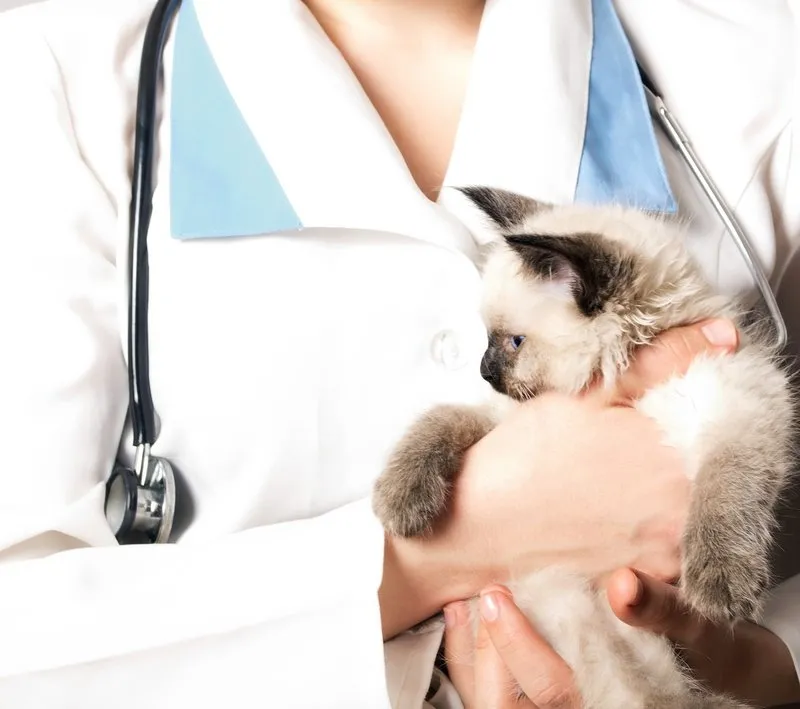




Pets are more than furry little roommates: they are important parts of our lives and families, providing us with unconditional love and friendship and standing beside us in both good and bad times. Even if you’ve had pets your entire life, there’s always going to be something more to learn about them. We’re always happy to offer customized care tips, but we also just want to spread good information whenever we can. Read on as a local vet goes over some of the most common pet care mistakes.
Improper Diets
Well over half of our canine and feline pals are overweight or obese. Fido and Fluffy may still look adorable if they are, well, a bit round, but those extra pounds are very bad for their health. Overweight pets are susceptible to many of the same medical issues as overweight people. That list includes heart disease, bone and joint issues, liver and kidney problems, and certain cancers. In fact, being overweight can significantly shorten your pet’s life expectancy. Ask your vet for customized dietary care tips.
Not Socializing
This mostly applies to those who are adopting puppies or kittens. (You can still socialize older animals, but it takes longer and won’t be as effective.) Socialization is crucial to helping pets develop a friendly, open-minded opinion about the world and everyone in it. It’s important for Fluffy and Fido to be exposed to different types of people, new environments, and new experiences while they are still young. Animals that weren’t socialized are much more likely to act wary, fearful, or aggressive as adults. This can create stress and friction with their owners and other pets. It can even be dangerous, both for the pets and the humans and animals that interact with them.
Inadequate/Inconsistent Grooming
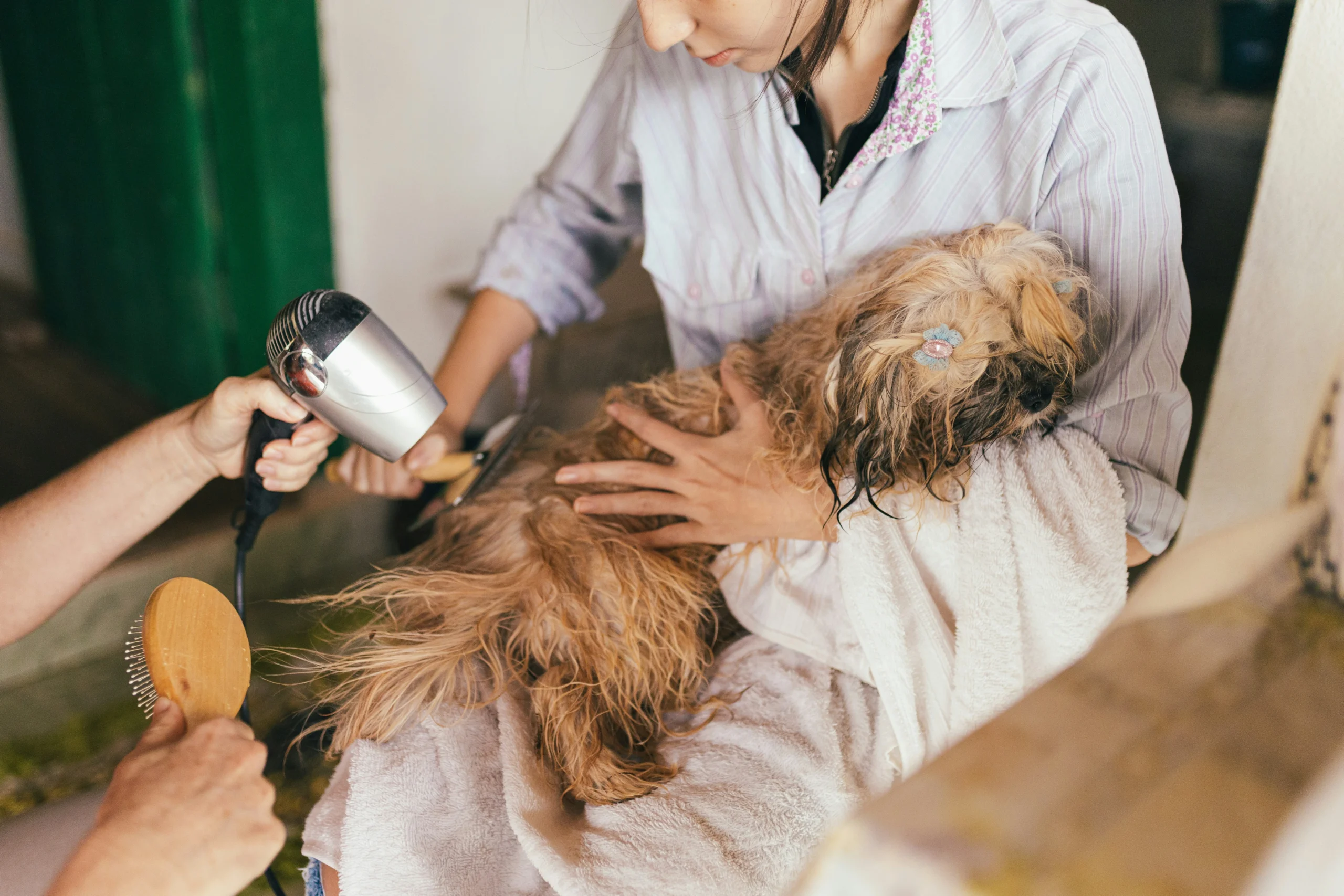
To be fair, our feline pals do handle most of their own beauty care needs. Dogs, however, need lots of help. Some pups need to be brushed almost daily: others only need the occasional bath. Grooming is about far more than making sure your pet looks good. It drastically affects your pet’s comfort and temperature. If Fluffy and Fido’s coat is full of dust and dead hair, it can be quite miserable. It also won’t be as effective at insulating them from heat or cold.
Dental care and nail trims are also important. With dogs, overgrown nails can cause pups to hold their weight differently. It can also affect their stride. This can aggravate bone and joint issues, such as arthritis, and can also cause slips and falls.
Using Negative Reinforcement
Our furry companions can be very loving and loyal, but they aren’t perfect. You’ll need to train your canine pal, and teach him the ins and outs of being a good boy. Kitties don’t need as much training as dogs, but they do need some guidance on petiquette.
While it can be frustrating to have your pet disobey orders or act up, you shouldn’t punish them for transgressions. Pets are only following their instincts, or sometimes just trying to unleash frustration or energy. Fido and Fluffy don’t understand the concept of punishment, especially after the fact. Striking or yelling at pets is not only ineffective as a means of training, it’s also cruel. Plus, it could backfire, making your furry friend scared of you.
Not Creating A Pet-Friendly Space
Fido and Fluffy aren’t shy about borrowing our spaces. Cats don’t mind napping on our sofas, while dogs often are quite content to sprawl out across the floor or hop onto our beds. Taking time to make your home safe, fun, and comfortable for your pet is a must.
Petproofing is crucial for your pet’s safety. Pets are very curious, and they have a habit of trying to learn about things by eating them. That can be very, very dangerous!
Here are some of the things you would want to address:
- Small/Sharp items
- Toxic plants
- Ropes and Cords
- Plastic bags and ties
- Chemicals
- Medication
Ask your vet for specific advice.
Not Providing Entertainment
Boredom is no fun for people, and it’s not good for pets, either. No matter what type of animal you have, you’ll need to provide some sort of enrichment or entertainment. The best options do vary a bit from pet to pet. Cats, for instance, love boxes, catnip mice, and window seats. Dogs enjoy walks and adventures, and need toys and playtime. Even rodents and birds need something to occupy themselves with.
Lack Of Identification
Did you know that as many as one in three pets goes missing at some point in their lives? No matter how loving your furry friend is, there’s always a chance that they could get lost or stolen. If that were to happen, proper identification could literally save your furry friend’s life.
There are a few parts to this. Microchips are very small devices; typically, they are only about the size of a grain of rice.
Not Providing Veterinary Care
Many of our furry patients don’t come in as often as they should. Keeping up with regular veterinary care can protect your pet from many painful and dangerous illnesses and diseases. Plus, those routine exams can also reveal issues that are just beginning to develop. It’s always both easiest and most effective to treat things in the early stages, when that is possible. That can actually save you money in the long run.
Your vet will be able to advise you about how often your pet needs to come in. This will vary a bit from pet to pet, and will also change over time. Puppies and kittens need a few visits in that first year. Once Fido and Fluffy are older, they may only need annual trips. Then, when your pets become seniors, they may need to come in more often.
You’ll also need to keep an eye out for signs of illness. Those include the following:
- Loss Of Appetite
- Diarrhea
- Vomiting
- Shortness Of Breath
- Lethargy
- Excessive Thirst
- Seizures
- Weight Loss
- Cough
- Difficulty Urinating
- Bad Breath
- Behavioral Changes/Uncharacteristic Behavior
- Hair Loss
- Limps
- Excessive Licking And Scratching
- Eye Discharge
- Fever
- Bloating
- Hiding
- Pale Gums
- Uncharacteristic Vocalization
Skipping Research
It’s easy to fall for an adorable furry face, or to immediately feel connected to a cute pet. However, pets are living beings with very specific needs. Making sure that you are ready, willing, and able to commit to caring for your pet for the rest of their life is crucial.
A big part of that entails doing your homework before you adopt your pet. Whether you decide to adopt a kitty or are assigned one via the Universal Kitty Distribution System, it’s important to learn what Fluffy needs. Don’t just rely on hearsay or what you think you know. We’ve really learned a lot about Fluffy and Fido in the past few decades, and have a much clearer understanding of both their emotional and physical needs.
Of course, your vet is a great resource for this. Don’t be afraid to ask questions. We’re here to help!
Make an Appointment At Our Pet Clinic
Do you need to bring your pet in? Please feel free to contact us anytime. As your local pet hospital, we are here to help!






!Social Media Icons