
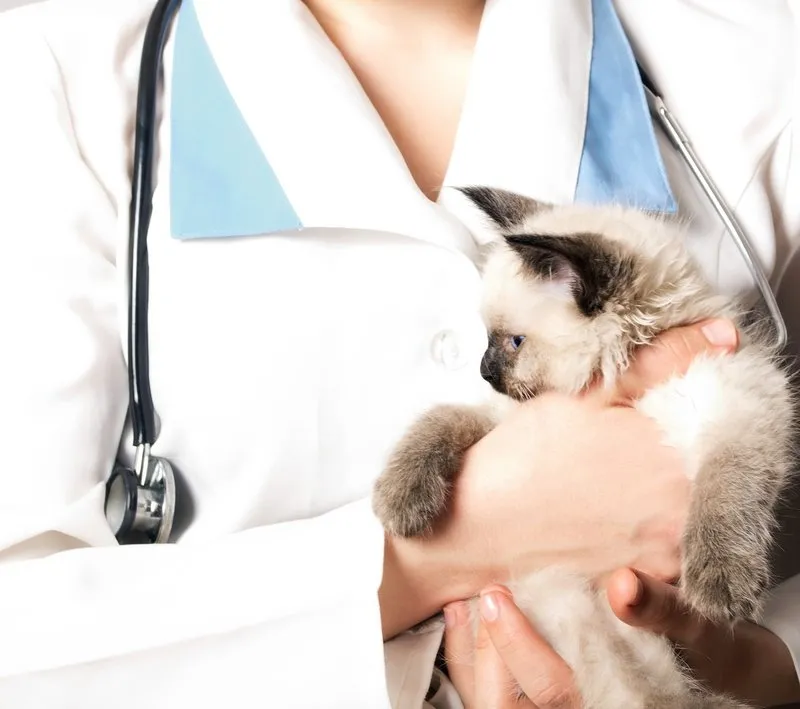




Has your feline companion recently started chatting much more than normal? At Markham Vet Clinic, your Unionville, ON veterinary clinic, many cat owners become concerned when they notice their cat meowing more than usual. While some cats are naturally talkative, a sudden increase in vocalization can sometimes signal that something has changed physically, emotionally, or environmentally.
Cats communicate for many reasons. They may be seeking attention, responding to changes in their surroundings, expressing discomfort, or simply trying to tell you something important. Understanding the potential causes of cats meowing more than usual, recognizing signs of excessive meowing, and learning about common reasons cats vocalize can help you determine whether your kitty’s behaviour is harmless or warrants veterinary attention. In some cases, sudden changes in behaviour in cats and senior cats’ vocalizations may provide valuable clues about underlying health concerns.
Why Do Cats Meow?
Interestingly, adult cats primarily use meowing to communicate with people rather than other cats.
While kittens meow to their mothers, adult cats often reserve vocal communication for interactions with humans. Over time, many cats learn that meowing gets attention, food, playtime, or access to desired resources.
Not all meows mean the same thing. The tone, frequency, volume, and timing can all provide clues about what your feline friend may be trying to communicate.
This is why understanding context is so important when evaluating cat meowing more than usual.
When Is Increased Meowing Normal?
Not every increase in vocalization indicates a problem.
Some situations naturally cause cats to become more vocal.
Examples include:
- Mealtime anticipation
- Greeting family members
- Play sessions
- Seeking attention
- Environmental excitement
A temporary increase in meowing associated with a specific event is often less concerning than a sudden, persistent change in behaviour.
However, if the vocalization appears unusual for your cat, it is worth paying attention to it.
Common Reasons Cats Vocalize
There are many reasons cats vocalize, and not all of them are medical.
Understanding what motivates your cat can help you respond appropriately.
Attention-Seeking Behaviour
Some cats discover that meowing is highly effective.
If meowing consistently results in attention, treats, petting, or other rewards, your cat may continue using that strategy.
This type of vocalization is often directed specifically at family members and tends to occur when the cat wants something.
Hunger or Feeding Expectations
Cats are excellent at learning feeding schedules.
Your feline companion may become increasingly vocal when mealtime approaches, especially if they have learned that vocalization gets results.
This type of communication is usually predictable and tied to routine events.
Boredom
Cats need both physical and mental stimulation.
A cat that lacks enrichment opportunities may begin vocalizing more frequently to seek interaction or entertainment.
Providing opportunities for exploration, play, climbing, and problem-solving may help reduce boredom-related vocalization.
Excessive Meowing in Cats and Environmental Changes
Cats are creatures of habit.
Even seemingly minor changes can influence behaviour.
Moving or Renovations
Changes to a cat’s environment can trigger excessive meowing.
Examples include:
- Moving to a new home
- Rearranging furniture
- Home renovations
- Temporary guests
- New household members
Cats often respond to unfamiliar situations by vocalizing more than usual while they adjust.
Changes in Routine
Cats appreciate consistency.
A new work schedule, altered feeding times, or changes in daily household activity can sometimes lead to increased vocalization.
The more predictable your cat’s environment remains, the more comfortable they may feel.
Sudden Behaviour Changes in Cats Can Signal Stress
Stress is one of the most common causes of sudden changes in behaviour in cats.
Unlike dogs, cats often express emotional discomfort in subtle ways.
Signs of Stress Alongside Increased Meowing
You may notice:
- Hiding
- Reduced appetite
- Overgrooming
- Litter box changes
- Increased vigilance
- Changes in sleep habits
When multiple behavioural changes occur together, stress may be playing a role.
Identifying and addressing the source of stress can often help improve the situation.
Medical Causes of Increased Vocalization
While behavioural factors are common, medical conditions should always be considered when evaluating cat meowing more than usual.
A sudden change in vocalization may sometimes be your cat’s way of communicating discomfort.
Pain and Discomfort
Cats experiencing pain may vocalize more frequently.
Potential causes include:
- Arthritis
- Dental disease
- Injury
- Digestive discomfort
- Urinary tract conditions
Because cats are skilled at hiding pain, increased vocalization may be one of the few visible signs that something is wrong.
Vision or Hearing Changes
Sensory changes can affect how cats interact with their environment.
A cat experiencing reduced vision or hearing may become more vocal because they feel uncertain or disoriented.
These changes may develop gradually, especially in older cats.
Cognitive Changes
Age-related cognitive decline can influence behaviour and communication.
Some senior cats become more vocal as cognitive function changes over time.
This is one reason why senior cat vocalizations deserve careful attention.
Senior Cat Vocalization and Aging
Many owners notice that senior cats’ vocalizations become more common as their cats enter their golden years.
While some increase in communication may be harmless, it can also reflect age-related changes.
Cognitive Dysfunction
Senior cats may occasionally experience cognitive changes that affect memory, awareness, and behaviour.
Symptoms may include:
- Nighttime vocalization
- Confusion
- Changes in sleep patterns
- Altered social interactions
Because these symptoms can overlap with medical conditions, veterinary evaluation is recommended.
Medical Conditions Common in Older Cats
Several age-related illnesses may contribute to increased vocalization.
Examples include:
- Hyperthyroidism
- High blood pressure
- Arthritis
- Kidney disease
These conditions may influence comfort, behaviour, and activity levels.
Regular wellness visits become increasingly important as cats age.
When Should You Be Concerned?
Not every vocal cat requires a veterinary visit.
However, certain situations warrant closer attention.
Contact Your Veterinarian If:
- The vocalization begins suddenly
- Meowing becomes significantly more frequent
- Other behavioural changes occur
- Appetite changes develop
- Weight changes occur
- Your cat appears uncomfortable
- The vocalization disrupts normal routines
A sudden shift in behaviour often provides important information about your cat’s overall health.
How Veterinarians Evaluate Increased Vocalization
When investigating cat meowing more than usual, veterinarians consider both medical and behavioural factors.
Gathering a Complete History
You may be asked questions about:
- Timing of the vocalization
- Daily routines
- Recent changes
- Diet
- Activity level
- Other symptoms
The more information available, the easier it becomes to identify potential causes.
Physical Examination
A thorough examination helps identify possible medical concerns that may be contributing to the behaviour.
Because many health conditions affect behaviour, ruling out medical causes is often an important first step.
Supporting a More Content Cat
Whether the cause is behavioural, environmental, or medical, identifying the reason behind increased vocalization is key.
Helpful strategies may include:
- Maintaining consistent routines
- Providing enrichment
- Encouraging interactive play
- Monitoring health changes
- Scheduling regular wellness visits
The best approach depends on the individual cat and the underlying cause.
Chewy has an article on kitty vocalizations. The ASPCA also covers the cat’s meow.
Frequently Asked Questions
Why is my cat meowing more than usual?
A cat meowing more than usual may be due to attention-seeking, hunger, boredom, stress, environmental changes, pain, or underlying medical conditions. The reason often depends on your cat’s age, health, and recent experiences.
A sudden increase in vocalization deserves attention, especially if other behavioural or physical changes occur at the same time.
What causes excessive meowing in cats?
Excessive meowing in cats can result from behavioural factors, emotional stress, environmental changes, cognitive decline, or medical concerns. Some cats also become more vocal when seeking attention or responding to routine changes.
The context and timing of the vocalization often provide important clues about the underlying cause.
What are common reasons cats vocalize?
Some common reasons cats vocalize include communication, attention-seeking, hunger, greeting family members, boredom, stress, and discomfort. Vocalization is one of the primary ways cats communicate with people.
Understanding your cat’s normal communication style can help you recognize when something changes.
Is senior cat vocalization normal?
Some increase in senior cats’ vocalizations may occur as they age. However, age-related medical conditions, sensory changes, and cognitive dysfunction can also contribute to increased meowing.
Because older cats face a higher risk of health issues, any new vocalization patterns should be discussed with a veterinarian.
Schedule an Appointment at Our Unionville, ON Veterinary Clinic
If your feline companion is experiencing cat meowing more than usual, the team at Markham Vet Clinic can help determine whether the cause is behavioural, environmental, or medical. Whether you are concerned about excessive meowing in cats, noticing sudden behaviour changes in cats, or have questions about senior cat vocalization, our Unionville, ON veterinary clinic is here to help. If you have been searching online for a trusted vet near me, contact Markham Vet Clinic today to schedule an appointment and support your cat’s health and well-being.
This blog is intended for informational purposes only. Always consult your veterinarian for medical advice, diagnosis, and treatment recommendations for your pet and follow their professional guidance regarding your companion’s health and behaviour.
Do you want to learn more about our Unionville, ON animal clinic? Our Service page is a great place to start. You’ll find an overview of the various services we offer. These include veterinary care basics such as Wellness and Vaccinations, Allergies and Dermatology, and Nutrition and Weight Management, as well as more specialized services such as Behavioural Counselling.






!Social Media Icons