
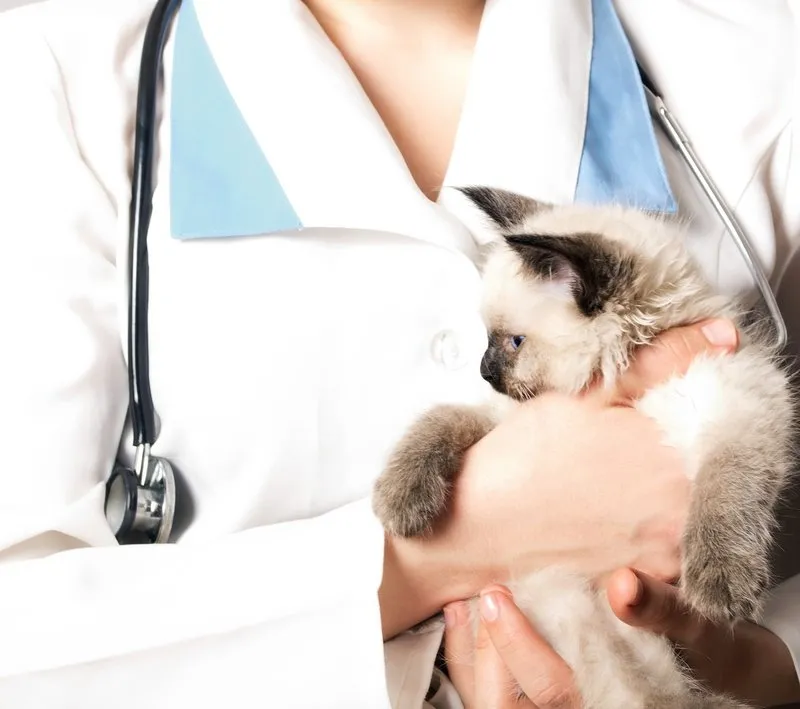




About sixty-six percent of American households include animal companions. Or, to put it another way, that’s about 86.9 million people. While many people grow up with pets, there are also lots of folks who don’t get their first pet until adulthood. This is good in some ways: the first time you bond with an animal is always a very special experience. However, it also means a steep learning curve for some. Sometimes knowing what not to do is just as important as knowing what to do. Read on as a local vet lists a few common pet care mistakes to avoid.
Not Socializing Pets
This one mostly applies to those who adopt baby animals. There’s a specific window of time for proper socialization. The exact time frame varies a bit, depending on what sort of pet you have, but it’s generally in that super-cute furry toddler stage. With dogs, that window closes around four months, or 16 weeks. WIth cats, it’s about the same.
Letting your pet experience new things and introducing them to different types of people, objects, and experiences when they are young is key to helping them form positive, open points of view about the world. Pets that weren’t socialized properly are much more likely to be fearful, anxious, or even aggressive as adults.
Not Spaying/Neutering
Most of the time, our pet care tips would be tailored to specific pets, and would vary based on their age, size, weight, and breed, as well as any medical conditions. This is one of the few things we recommend for nearly all pets, and for several reasons.
First and foremost, this is the best way to combat pet overpopulation, which is a huge problem with animal welfare. That isn’t the only reason, though. Your pet will also enjoy better health, as the procedure reduces or eliminates the risk of them developing many health issues. Plus, your furry friend will be calmer once those hormonal urges are eradicated. That translates into better behavior. Your pet also won’t be inclined to spray, escape to go looking for love, or yowl love songs in the middle of the night. If your furry friend hasn’t been fixed yet, we recommend contacting your clinic to get it scheduled ASAP.
Ignoring Grooming Needs
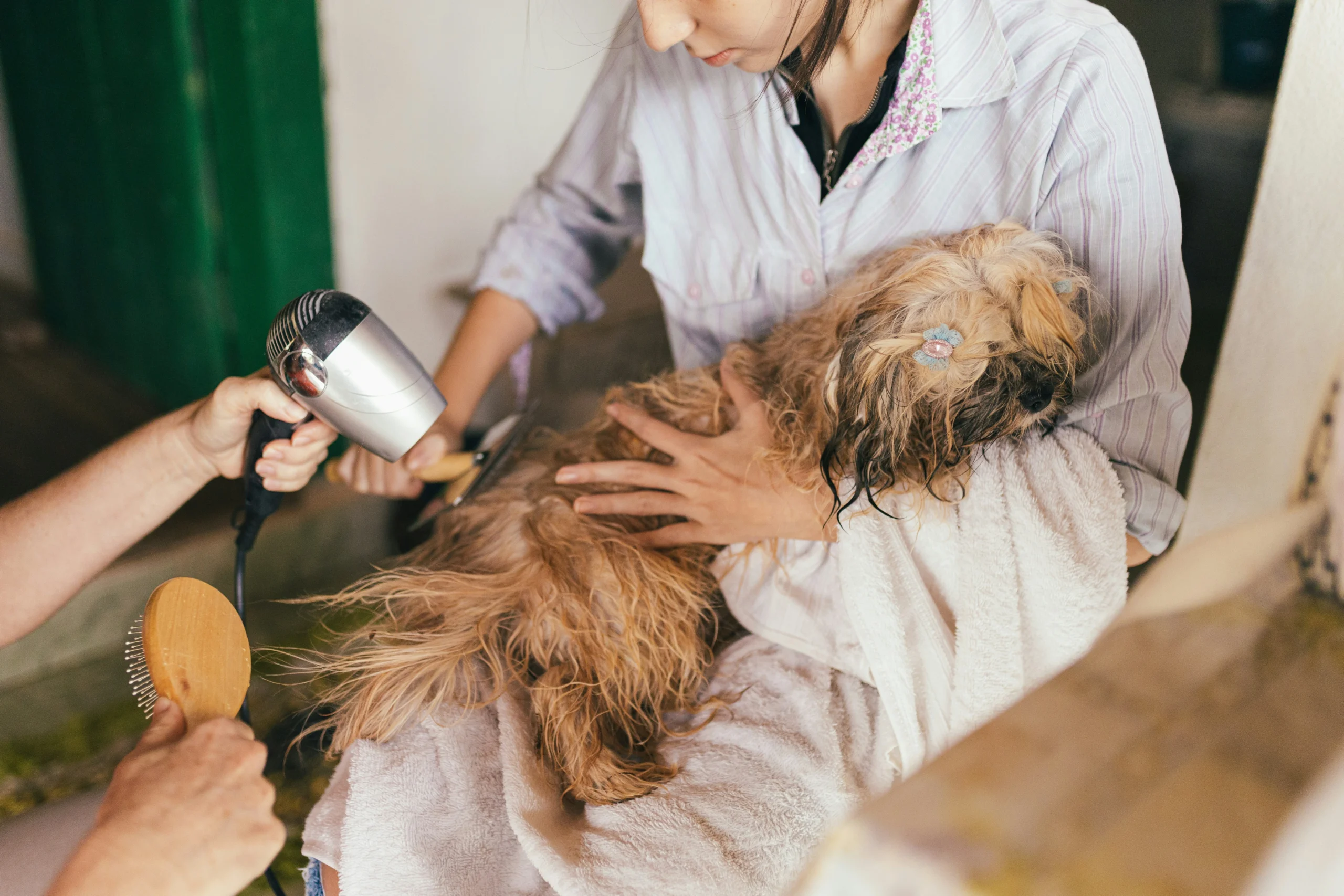
Our four-legged friends all have different grooming needs. This mostly applies to dogs. Fluffy mostly takes care of her own fur, though she may need help when she reaches her senior years.
Pets with long fur need more attention than those with short, sleek coats. However, every animal is different. Dogs with floppy ears, such as Beagles, may not need many baths but do need regular ear cleanings, while a pooch with a fluffy coat, like a Pomeranian, will need regular brushings as well as baths.
Paw care is also very important for dogs. Fido’s paw pads can get cracked and chafed, which is very uncomfortable for him. Long nails are also problematic for Man’s Best Buddy: they make it hard for him to gain good traction, which increases the risk of slips and falls. Plus, they interfere with the angle of your pet’s toes against the ground.
Dental care is crucial, too. Pets can develop many of the same dental problems as people can.
Ask your vet for specific advice.
Letting Pets Roam
There’s almost no end to the sort of trouble that pets can get into when they are allowed to run around off-leash. We always recommend that people keep cats indoors. Fluffy is very small and fragile, and is vulnerable to all sorts of threats in the Great Outdoors. The list of hazards that our feline pals face outside includes cars, weather, stray cats, parasites, predators, chemical spills, and loose dogs. There’s also always the chance that she could be lost or stolen. Err on the side of safety, and keep your feline pal indoors.
Fido of course has to go out daily. Keep your canine pal leashed, except in fenced areas. A thoroughly trained dog may be able to go off-leash in places that allow it, but don’t try this until you’re 100% sure that your pup will always obey you.
Not Enough Veterinary Care
Good healthcare is just as important for pets as it is for people. Fido and Fluffy should both visit their veterinary clinics regularly. We recommend that all pets be fixed, microchipped, and kept current on vaccinations and parasite control. The exact schedule will depend on your furry pal’s age, health, and history, but follow your vet’s recommendations.
In between visits, watch for signs of illness or injury. That includes things like vomiting, diarrhea, lack of appetite, fur loss, limping, respiratory issues, changes in behavior, weight loss or gain, fever, and lethargy. If you notice anything that seems out of the ordinary, don’t wait to see if it resolves: contact your veterinary clinic right away. The sooner an issue is diagnosed and treated, the better!
Negative Reinforcement
Pets are curious and playful, and they are very much driven by instinctive behaviors. Fido and Fluffy are great pets, but they do need some training to learn proper petiquette. This is definitely a case where you’ll catch more flies (or in this case, purrs and tail wags) with honey than with vinegar.
If you’re addressing a bad habit, focus on the positive. Pets don’t think the way we do, and they don’t really understand the concept of punishment. Time, patience, and consistency are key. Don’t be afraid to ask your vet for advice, either. We’re here to help!
Not Enough Stimulation
While many of our furry friends are definitely a bit lazy, it’s important to provide them with some sort of entertainment or enrichment. Boredom is just as unpleasant for pets as it is for people. Playtime, walks, toys, and plain old attention will all help keep your pet happy and stimulated.
Lack Of Exercise
To be fair, we do have quite a few patients that are furry couch potatoes. However, just like people, pets need exercise and entertainment to stay happy and healthy. For dogs, this usually means a daily walk, at the very least. Younger pooches and more active breeds will need more than that, of course. Kitties also benefit from playing.
Exercise isn’t just good for your pet physically. It also helps burn off excess energy, leaving them calmer and better-behaved!
Missing/Outdated ID
Did you know that as many as one in three pets will go missing over the course of their lives? Even the most loyal and loving dog or cat can run off or slip out through an open gate or door. Microchipping is an absolute must for this reason. Your pet should also be wearing proper ID tags. GPS tags are optional, but helpful.
Poor Diet
That old saying about how you are what you eat is true for both people and pets. Proper nutrition is a crucial cornerstone of any good pet care regimen. Your furry pal’s exact nutritional needs will depend on their age, health, breed, and lifestyle, so be sure to talk to your vet and get some specific recommendations. That said, this is one area where we always recommend quality over quantity.
Lack Of Petproofing
Do you need to make an appointment for your furry best friend? Please feel free to contact us anytime. As your local pet hospital, we are here to help.
Visit Our Pet Clinic
Do you have questions about your pet’s health or care? Contact us, your local pet hospital, anytime.




!Social Media Icons