




A child asking for a pet is practically a rite of passage in many families. While dogs and cats often come to mind first, many parents consider smaller animals as a way to introduce children to the responsibilities of pet ownership. At Markham Vet Clinic, your Unionville, ON veterinary clinic, families frequently ask for guidance when choosing a pocket pet for their child. These small companions can be wonderful additions to the household, but selecting the right species requires careful thought.
Not all pocket pets have the same care needs, personalities, or lifespans. Understanding the best pocket pets for children, learning about common pocket pet care requirements, and determining which animals make suitable family-friendly pocket pets can help your family make an informed decision. While many species are considered beginner small pets, every animal deserves proper care, attention, and veterinary support throughout its life.
What Is a Pocket Pet?
The term pocket pet generally refers to small mammals that are commonly kept as companion animals.
Examples include:
- Hamsters
- Guinea pigs
- Gerbils
- Rats
- Mice
- Chinchillas
- Degus
Although they are small, pocket pets have unique needs and personalities. Their care often requires more planning than many people initially expect.
Before choosing a pocket pet, it is important to understand that these animals depend entirely on their owners for housing, nutrition, enrichment, and healthcare.
Is Your Child Ready for a Pocket Pet?
One of the first questions parents should consider is whether their child is ready for the responsibilities associated with pet ownership.
A pocket pet can help teach:
- Responsibility
- Compassion
- Patience
- Respect for animals
- Observation skills
However, adults remain responsible for the pet’s overall care and well-being.
Age Matters
Younger children may enjoy interacting with a pet but often lack the maturity needed to provide consistent daily care.
Older children may be capable of assisting with:
- Feeding
- Cleaning
- Socialization
- Monitoring health
Parental involvement remains essential regardless of a child’s age.
What Makes a Good Family Pocket Pet?
When evaluating family-friendly pocket pets, several factors should be considered.
These include:
- Temperament
- Activity level
- Handling tolerance
- Lifespan
- Housing needs
- Noise level
- Space requirements
The ideal pet for one family may not be the best choice for another.
Finding a good match often depends on your household’s lifestyle and expectations.
Guinea Pigs: Gentle and Social Companions
Guinea pigs are often considered among the best pocket pets for children.
These social animals are known for their gentle personalities and expressive vocalizations. Many guinea pigs enjoy interacting with people and can become quite affectionate with regular handling.
Advantages of Guinea Pigs
Guinea pigs often appeal to families because they:
- Are generally gentle
- Tolerate handling well
- Have predictable personalities
- Enjoy social interaction
Their larger size compared to some other pocket pets can make them easier for children to handle safely.
Things to Consider
Guinea pigs have specific dietary needs and require spacious housing.
Understanding these pocket pet care requirements is important before bringing one home.
Hamsters: Popular Beginner Small Pets
Hamsters are among the most recognizable small pets for beginners.
Their small size and entertaining behaviour make them appealing to many families.
However, hamsters are often most active in the evening and at night, which may not always align with a child’s schedule.
Advantages of Hamsters
Many families appreciate hamsters because they:
- Require relatively modest space
- Display entertaining behaviours
- Come in various breeds
- Can be enjoyable to observe
Important Considerations
Hamsters may not always enjoy extended handling and can become startled if approached suddenly.
Children should learn proper handling techniques to promote positive interactions.
Rats: Intelligent and Social Pets
Rats are frequently overlooked when families choose a pocket pet, yet they are among the most intelligent species.
They often form strong bonds with their owners and can learn routines, tricks, and interactive games.
Why Rats Make Great Pets
Rats are often considered excellent family-friendly pocket pets because they:
- Enjoy social interaction
- Are highly intelligent
- Can be trained
- Frequently enjoy handling
Their curiosity and problem-solving abilities make them fascinating companions.
Care Considerations
Rats require social interaction and mental stimulation.
Providing enrichment opportunities is an important part of meeting their pocket pet care requirements.
Gerbils: Active and Entertaining
Gerbils are energetic animals that enjoy digging, exploring, and interacting with their environment.
They are often enjoyable for children who like observing natural behaviours.
Benefits of Gerbils
Gerbils may appeal to families because they:
- Are active during the day
- Have relatively low odour
- Enjoy social companionship
- Display natural digging behaviours
Things to Know
Gerbils are fast-moving and may not always be the easiest pets for younger children to handle.
Observation often becomes a large part of the enjoyment.
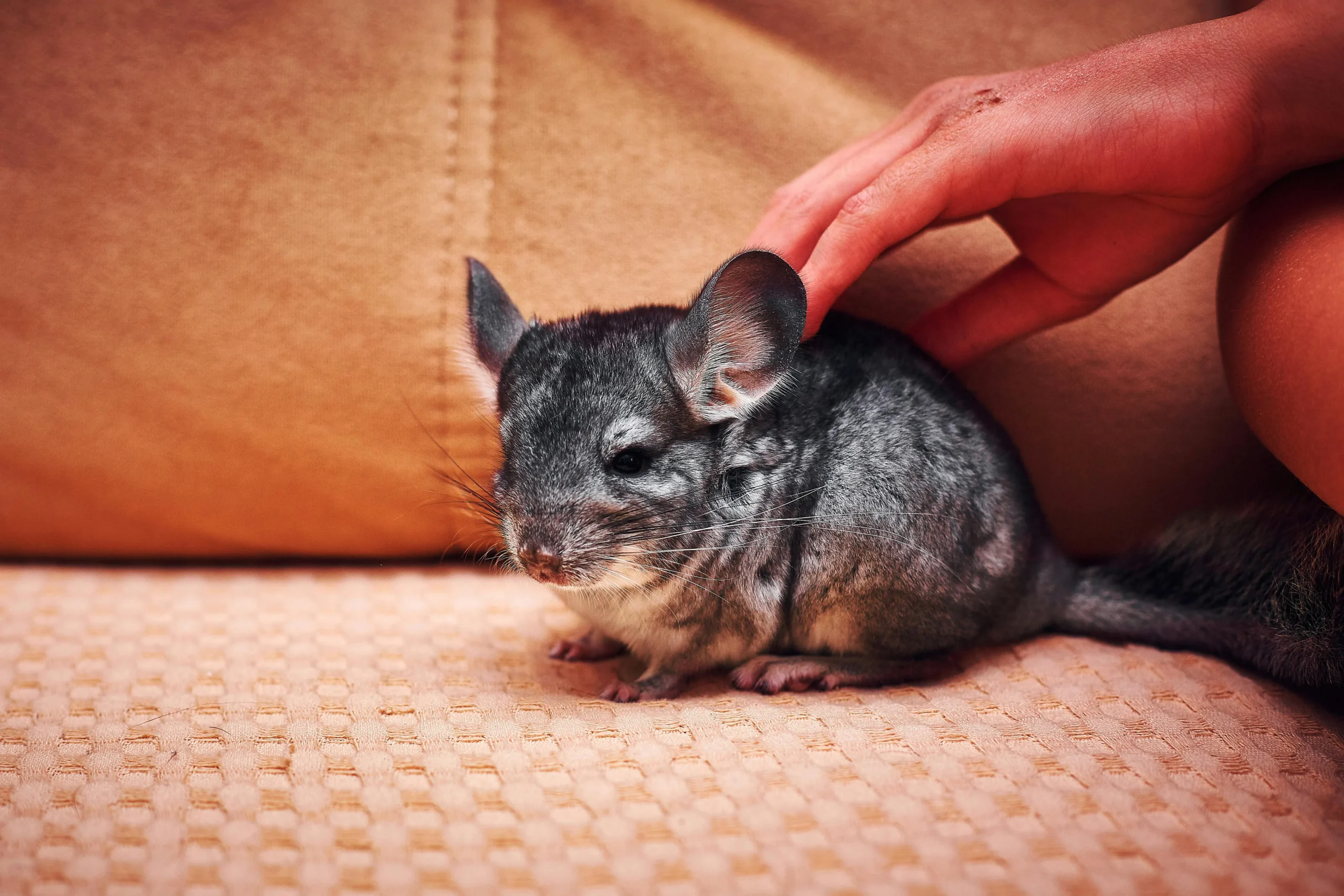
Chinchillas: Beautiful but Specialized
Chinchillas are fascinating animals with incredibly soft fur and playful personalities.
However, they generally require more specialized care than many small pets for beginners.
Advantages
Chinchillas are known for:
- Long lifespans
- Unique personalities
- Playful behaviour
- Beautiful coats
Special Care Needs
Chinchillas have very specific environmental requirements and may not always tolerate frequent handling.
Families should carefully research their needs before committing.
Understanding Pocket Pet Care Requirements
Regardless of species, all pocket pets have specific needs that must be met.
Understanding pocket pet care requirements helps families provide a healthy and enriching environment.
Proper Housing
Every pocket pet requires housing appropriate for its species.
Housing should provide:
- Adequate space
- Proper ventilation
- Opportunities for exercise
- Areas for hiding and resting
Small cages sold in stores are not always suitable long-term habitats.
Nutrition
Nutrition requirements vary significantly between species.
Providing species-appropriate diets is one of the most important aspects of responsible ownership.
Nutritional mistakes can contribute to serious health problems over time.
Veterinary Care
Pocket pets benefit from regular veterinary attention just like dogs and cats.
Routine examinations help identify health concerns and provide opportunities for discussing husbandry, nutrition, and preventive care.
A veterinarian experienced with pocket pets can be an invaluable resource throughout your pet’s life.
Matching the Pet to the Child
When choosing a pocket pet, focus on finding the right match rather than the most popular species.
Ask questions such as:
- Does your child want a pet to handle frequently?
- Does your child enjoy observing animal behaviour?
- How much daily interaction is realistic?
- How much space is available?
The answers can help narrow the options.
Observation vs Interaction
Some children prefer animals they can hold and interact with regularly.
Others enjoy watching natural behaviours and learning about animal care.
Different species excel in different roles.
Common Mistakes Families Make
Many families purchase a pet before fully understanding its needs.
Common mistakes include:
- Choosing based on appearance alone
- Underestimating lifespan
- Purchasing inadequate housing
- Overlooking veterinary care
- Assuming all pocket pets have similar needs
Taking time to research beforehand often leads to a better experience for both the family and the animal.
Teaching Responsibility the Right Way
Pocket pets can be excellent teachers of responsibility.
Children can participate in:
- Feeding routines
- Habitat cleaning
- Enrichment activities
- Health monitoring
These activities help build confidence and compassion while teaching respect for living creatures.
Adult supervision remains important to support both the child and the pet.
The American Animal Hospital Association has an article about whether a pocket pet is right for you. If all lights are green, PetMD has a series of care sheets for pocket pets.
Frequently Asked Questions
What are the best pocket pets for children?
The best pocket pets for children often include guinea pigs, hamsters, rats, and gerbils. The ideal choice depends on the child’s age, personality, and interest in hands-on versus observational activities.
Each species has unique care needs and temperament traits. Carefully researching options helps families find the most suitable match.
Are pocket pets good beginner pets?
Many pocket pets can make excellent beginner small pets, but they still require proper housing, nutrition, enrichment, and veterinary care.
Being small does not necessarily mean they are easy to care for. Parents should be prepared to assist with daily responsibilities and healthcare decisions.
What should families know about pocket pet care requirements?
Understanding the care requirements of pocket pets is essential before bringing a new pet home. Housing, diet, social needs, enrichment, and veterinary care vary significantly between species.
Learning these requirements ahead of time helps support the pet’s health and well-being throughout its life.
Which pocket pets are the most family-friendly?
Many people consider guinea pigs and rats among the most family-friendly pocket pets because they often enjoy social interaction and handling.
However, every animal is an individual. Personality, socialization, and proper care all contribute to a positive family experience.
Schedule an Appointment at Our Unionville, ON Veterinary Clinic
If your family is considering choosing a pocket pet, the team at Markham Vet Clinic can help you make an informed decision. Whether you are exploring the best pocket pets for children, learning about pocket pet care requirements, or comparing various family-friendly pocket pets, our Unionville, ON veterinary clinic is here to provide guidance. If you have been searching for a trusted vet near me, contact Markham Vet Clinic today to schedule an appointment and learn more about caring for your new furry friend.
This blog is intended for informational purposes only. Always consult your veterinarian for guidance regarding your pet’s care, health, nutrition, and housing needs, and follow their professional recommendations throughout your companion’s life.
Do you want to learn more about our Unionville, ON animal clinic? Our Service page is a great place to start. You’ll find an overview of the various services we offer. These include veterinary care basics like Wellness and Vaccinations, as well as more specialized services such as Exotic Pet Care.






!Social Media Icons