

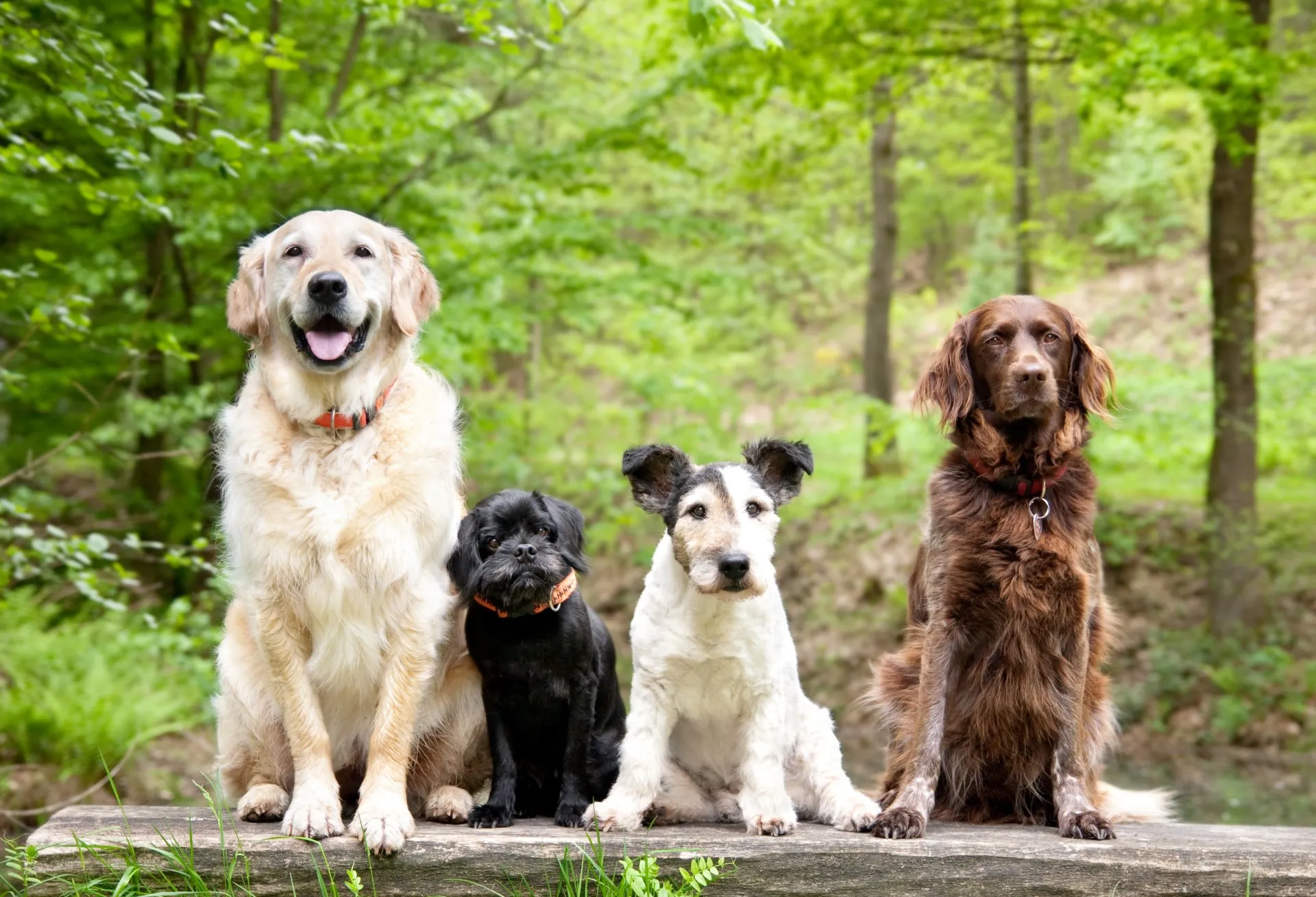



Just the word “rabies” tends to conjure up some frightening images. And because rabies is a zoonotic disease, meaning that it can be transmitted from animals to humans, it’s particularly dangerous. The good news is, rabies has been all but eliminated in the United States and many other parts of the world thanks to modern vaccination and wild animal control measures. Still, you’ll want to take the proper precautions to make sure your pet stays safe. Here’s what your Markham vet recommends.
Vaccinate your pet.
Your pet’s core vaccination series should include the rabies vaccine. This is his or her first line of defense against the rabies virus. Puppies and kittens as young as three months of age can receive the rabies vaccination, and they’ll probably need a few follow-up booster shots before receiving additional rabies vaccines every three years or so.
If your pet needs his or her rabies vaccination, or if you’re unsure whether or not your pet has already received this vaccine, call your Markham vet’s office for further assistance.
Supervise while outdoors.
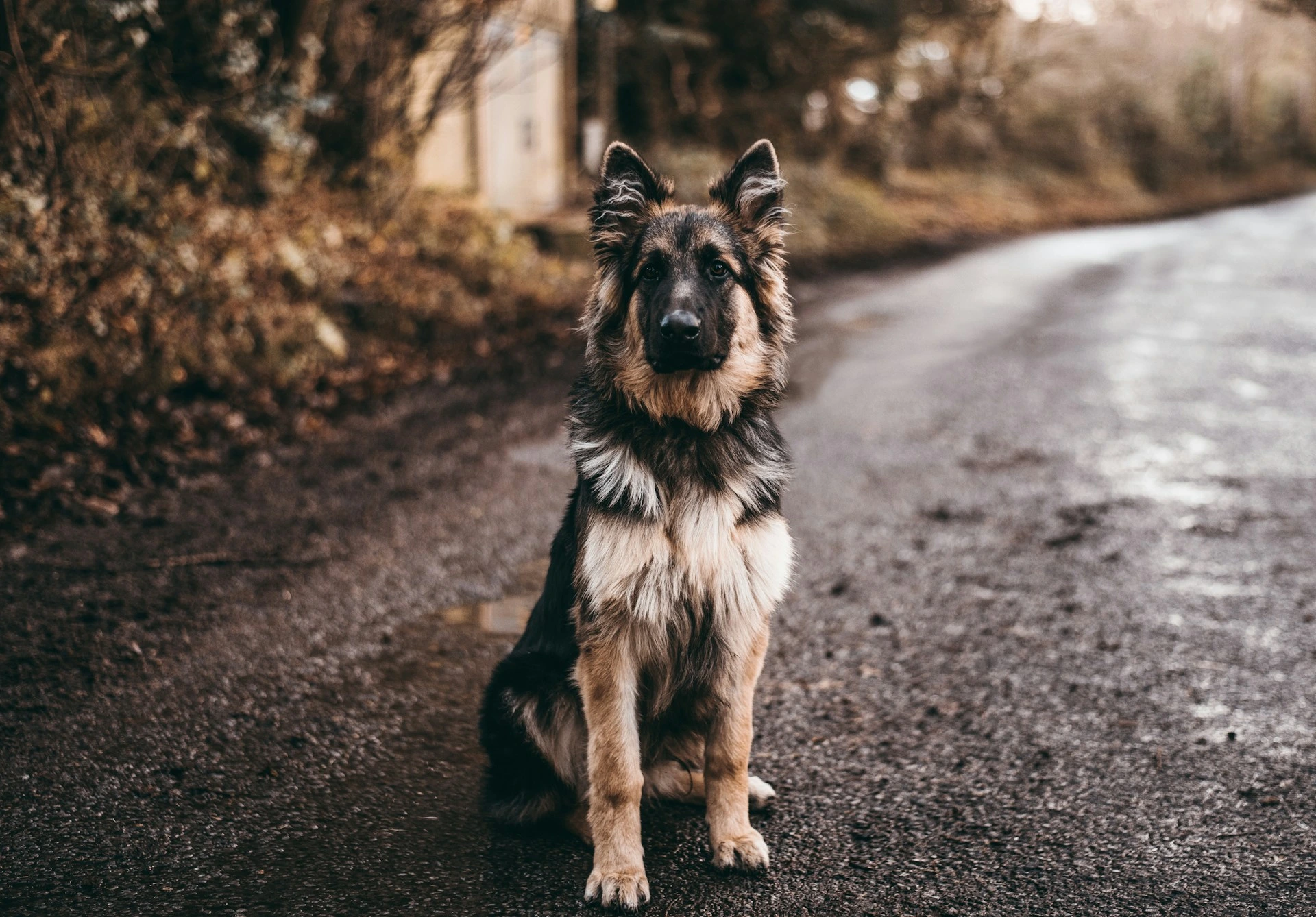
The rabies virus is spread through the bite of another infected animal. Because of this, it’s important to keep a close eye on your pet outdoors in order to stop them from encountering wild animals, such as raccoons. Keep your pet on a leash when you go on walks, and don’t let them stray too far. If you live in a wooded area or anywhere that wild animals may pass through, do not allow your pet to spend time outdoors unsupervised.
Spay and neuter.
You may be surprised to learn that having your pet spayed or neutered is a good way to prevent the risk of the rabies virus. That’s because spaying and neutering reduces your pet’s urge to wander in order to find a mate. So, not only will you avoid the hassle and heartache of a lost pet, but you’ll also reduce the risk of them coming into contact with a wild animal that could potentially be rabid.
Watch for signs of illness.
Symptoms of rabies include lethargy, loss of appetite, sensitivity to light and touch, fever, and uncharacteristic aggressive behavior. Seizures and paralysis can occur if the disease progresses. Tell your Markham veterinary professional immediately if you see any of these signs.
All things considered, the risk of rabies is very low for your pet. But make sure to take the right steps to keep it that way. Call your Markham vet’s office for help!





!Social Media Icons