

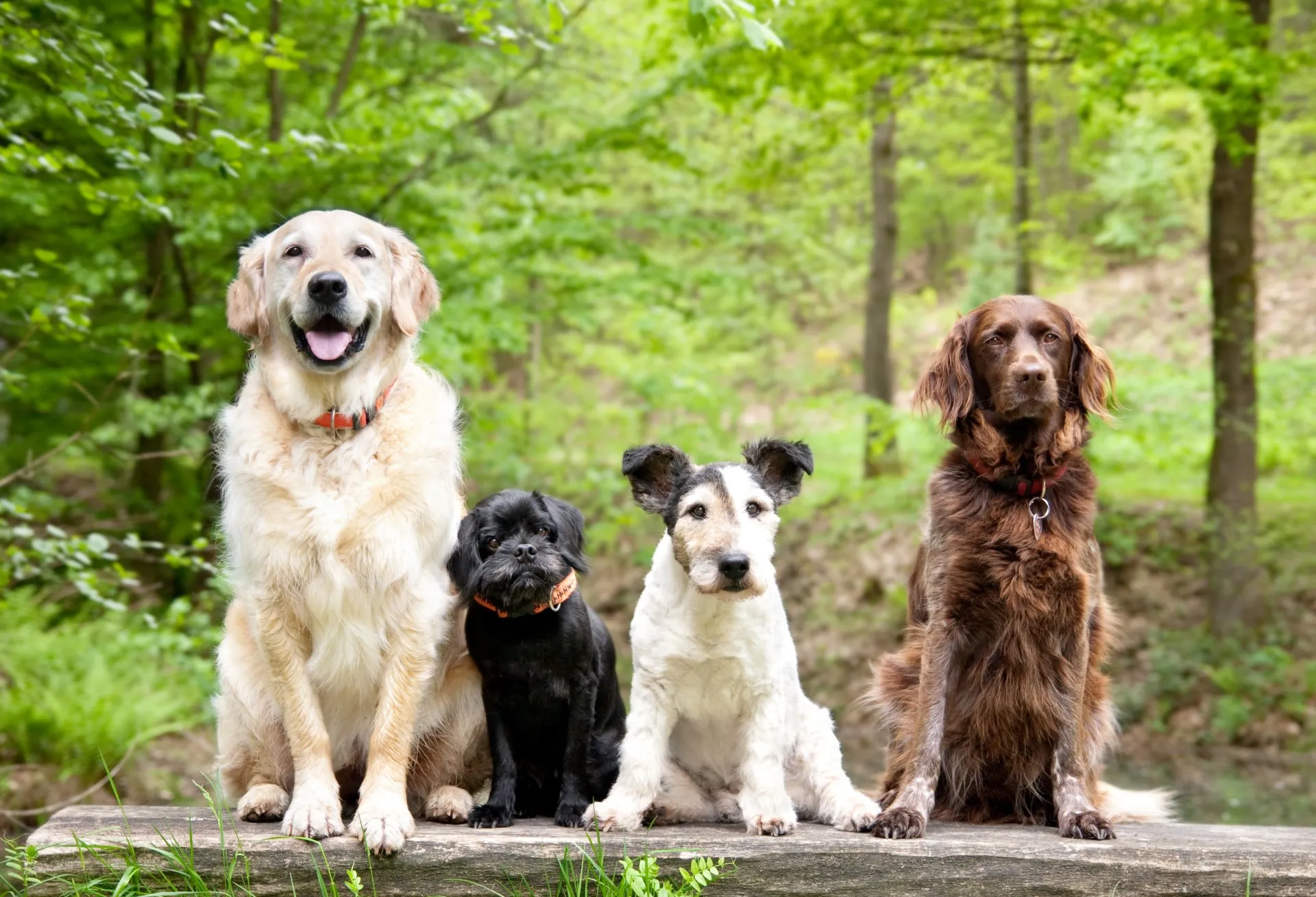



Bringing a rescue dog into your family is an exciting and rewarding experience, but it can also come with challenges. At Markham Vet Clinic, your Unionville, ON, veterinary clinic, many new pet owners ask what they can do to support a smooth adjustment for a rescue dog. While some dogs settle into their new homes quickly, others need more time to feel comfortable and secure. Every dog arrives with a unique history, personality, and set of experiences that can influence how they respond to change.
The first few weeks are often a period of learning and adaptation for both the dog and their new family. Understanding what to expect when bringing home a rescue dog, following practical new-rescue-dog tips, focusing on building trust with a rescue dog, and prioritizing helping adopted dogs adjust can make the transition more positive for everyone involved. Patience, consistency, and realistic expectations are key ingredients for success.
Why Moving to a New Home Can Be Stressful
Even when a rescue dog is moving into a loving environment, the experience can still be overwhelming.
Imagine suddenly being placed in a new location surrounded by unfamiliar people, sounds, smells, and routines. That is exactly what many rescue dogs experience during the transition process.
Some dogs may appear confident from the beginning, while others may seem nervous, withdrawn, or uncertain. Both responses can be completely normal.
Understanding that adjustment takes time can help reduce frustration and set realistic expectations.
Every Rescue Dog Is Different
One of the most important things to remember about rescue dog adjustment is that there is no universal timeline.
Some dogs settle within days. Others may need weeks or even months before they feel fully comfortable.
Factors that influence adjustment may include:
- Previous living conditions
- Age
- Personality
- Socialization history
- Past experiences
- Health status
Comparing your dog to other rescue pets often creates unnecessary pressure. Focus instead on your individual dog’s progress.
Bringing Home a Rescue Dog: The First Day
The first day can set the tone for the transition.
Many owners feel tempted to immediately introduce their new dog to friends, family, neighbourhood dogs, and new activities. However, a quieter introduction is often more beneficial.
Keep Things Calm
A low-stress environment helps reduce anxiety.
When bringing home a rescue dog, try to:
- Limit visitors initially
- Keep noise levels moderate
- Allow exploration at the dog’s pace
- Avoid overwhelming situations
A calm environment provides an opportunity for your canine companion to observe and adjust without unnecessary pressure.
Allow Time to Explore
Your dog may want to investigate every corner of the home.
Exploration is a normal way for dogs to gather information about their new environment.
Allowing them to explore safely helps build familiarity and confidence.
Creating a Safe Space
One of the best new rescue-dog tips is to establish a designated area where your dog can retreat when they need a break.
This space might include:
- A comfortable bed
- Water
- Toys
- A crate if the dog enjoys using one
- A quiet location away from heavy household activity
Having a predictable retreat can help your furry friend feel more secure.
Importantly, family members should respect this space and avoid disturbing the dog while it rests there.
Building Trust With a Rescue Dog
Trust does not happen overnight.
For some rescue dogs, positive relationships with people may develop quickly. Others may need additional time before they feel comfortable.
Let the Dog Set the Pace
One of the most valuable approaches when building trust with a rescue dog is allowing them to initiate interactions.
Rather than forcing attention, let your dog approach you when they feel ready.
This gives them a sense of control and helps reduce pressure.
Use Positive Experiences
Positive interactions help strengthen relationships.
Examples include:
- Gentle praise
- Playtime
- Walks
- Consistent routines
- Calm companionship
These experiences help your dog learn that good things happen in their new home.
Be Patient
Patience may be the most important tool during rescue dog adjustment.
Some dogs need extra time to feel safe, particularly if they have experienced instability or significant life changes.
Progress is often gradual rather than dramatic.
Helping Adopted Dogs Adjust Through Routine
Dogs thrive on predictability.
Establishing a routine can make a new environment feel less overwhelming.
Consistent Schedules Matter
Try to keep daily activities predictable.
This includes:
- Feeding times
- Walk schedules
- Play sessions
- Bedtime routines
Consistency helps reduce uncertainty and provides a sense of structure.
Many families find that helping adopted dogs adjust becomes easier once a reliable routine is established.
Avoid Frequent Changes
Major routine changes during the first few weeks may increase stress.
Whenever possible, maintain a stable schedule while your dog is adapting.
Understanding Common Adjustment Behaviours
Many behaviours observed during the adjustment period are completely normal.
Hiding or Withdrawal
Some rescue dogs initially appear quiet or reserved.
They may spend time observing rather than actively participating in household activities.
This behaviour often reflects caution rather than a lack of interest.
Increased Clinginess
Other dogs become very attached to their new owners right away.
They may follow family members from room to room and seek constant reassurance.
This behaviour often improves as confidence grows.
Changes in Appetite
Temporary changes in appetite can occur during the adjustment period.
Stress and excitement may affect eating habits during the first several days.
If appetite concerns persist, veterinary evaluation is recommended.
New Rescue Dog Tips for Introducing Family Members
Introducing a rescue dog to family members should be done thoughtfully.
Keep Greetings Calm
Excited greetings can sometimes overwhelm a newly adopted dog.
Encourage family members to:
- Speak calmly
- Move slowly
- Allow the dog to approach first
- Avoid crowding
This approach often leads to more positive interactions.
Teach Children Appropriate Interactions
Children should understand how to interact respectfully with a new dog.
Important guidelines include:
- Avoid disturbing a resting dog
- Allow the dog space when eating
- Respect the dog’s safe area
- Use gentle handling
Positive experiences help build strong relationships over time.
Introducing Other Pets
Many rescue dogs eventually live happily alongside other animals, but introductions should be handled carefully.
Take It Slowly
Gradual introductions often produce better results than immediate full access.
Allow pets to become familiar with one another at a comfortable pace.
Monitor Body Language
Pay attention to signs of comfort and stress.
Positive interactions should be encouraged, while situations that create tension may require additional management.
Each pet adjusts differently, so patience remains important.
Exercise and Mental Stimulation
Physical activity and mental enrichment play important roles in a rescue dog’s adjustment.
Walks Build Confidence
Regular walks provide opportunities for:
- Exercise
- Exploration
- Routine
- Positive experiences
Many dogs gain confidence as they become familiar with their neighbourhood and surroundings.
Mental Enrichment Matters Too
Puzzle toys, training exercises, scent games, and interactive play can help keep your dog’s mind engaged.
Mental stimulation often supports emotional well-being and helps prevent boredom.
When Behavioural Challenges Arise
Some rescue dogs experience challenges during the transition process.
These may include:
- Fearfulness
- Barking
- House-training accidents
- Separation concerns
- Resource guarding
These behaviours do not necessarily indicate long-term problems.
Many improve with patience, consistency, and appropriate support.
Avoid Punishment
Punishment can increase anxiety and undermine trust.
Instead, focus on understanding the behaviour and providing guidance through positive experiences and structured management.
Veterinary Care After Adoption
One of the most important steps after bringing home a rescue dog is scheduling a veterinary visit.
A wellness examination allows your veterinarian to:
- Review medical history
- Assess overall health
- Discuss nutrition
- Address behavioural concerns
- Answer questions about adjustment
This visit helps establish a foundation for long-term care.
Petfinder offers tips for helping a rescue dog settle in. PetMD also has a blog helping Fido adjust.
Frequently Asked Questions
How long does rescue dog adjustment usually take?
Every dog is different, but rescue dog adjustment may take anywhere from several days to several months. Factors such as age, personality, previous experiences, and environment can influence the timeline.
Patience is important because many dogs continue gaining confidence long after the initial adoption period. Progress often occurs gradually rather than all at once.
What should I do when bringing home a rescue dog?
When bringing home a rescue dog, focus on creating a calm environment, establishing routines, and allowing the dog time to explore at their own pace. Avoid overwhelming situations during the first few days.
Providing consistency and a safe space helps many dogs feel more secure as they adjust to their new surroundings.
How can I focus on building trust with a rescue dog?
Building trust with a rescue dog involves patience, positive interactions, predictable routines, and respecting the dog’s comfort level. Allow your dog to approach you rather than forcing interactions.
Trust develops over time through repeated positive experiences and consistent care.
What are some helpful new rescue dog tips?
Useful new rescue dog tips include maintaining routines, providing a safe retreat area, keeping introductions calm, offering enrichment activities, and scheduling a veterinary examination shortly after adoption.
These steps help ensure a smoother transition and can make it much easier for adopted dogs to adjust.
Schedule an Appointment at Our Unionville, ON Veterinary Clinic
The journey of a rescued dog’s adjustment can be incredibly rewarding when supported by patience and proper care. Whether you are bringing home a rescue dog for the first time, looking for guidance on building trust with a rescue dog, or need additional new rescue dog tips, the team at Markham Vet Clinic is here to help. If you have been searching for a trusted vet near me in Unionville, ON, contact our veterinary clinic today to schedule an appointment and support your newly adopted companion’s health and well-being.
This blog is intended for informational purposes only. Always consult your veterinarian for advice regarding your pet’s health, behaviour, and individual care needs, and follow their professional recommendations as your new companion adjusts to life in their new home.
Do you want to learn more about our Unionville, ON animal clinic? Our Service page is a great place to start. You’ll find an overview of the various services we offer. These include veterinary care basics such as Wellness and Vaccinations, Allergies and Dermatology, and Nutrition and Weight Management, as well as more specialized services such as Behavioural Counselling.


!Social Media Icons