
Does your canine friend know any cute paw tricks? Fido’s furry feet are not only his unofficial mark, they’re his main mode of transportation. Taking care of your pup’s paws may not seem like a critical matter, but it is very important. A local vet offers some advice on caring for Fido’s furry feet in this blog article.
Are Dogs’ Paw Pads Important?
Fido’s paws have become his unofficial emblem, but they are actually extremely important. Those toe beans are made of elastic fibers and fatty tissue. They serve several purposes. They help provide cushion for your dog’s bones and joints when he is running after that squirrel, doing a happy dance to greet you at the door, or jumping up to grab that Frisbee. In addition to being the world’s cutest shock absorbers, Fido’s paws also give him information about the surface he’s on. He can detect things like the surface temperature, vibrations, and other key information. Last but not least, they also help your dog regulate his body temperature.
Am I Supposed To Moisturize My Dog’s Paws?
Yes. Keeping those toe beans properly moisturized will go a long way in keeping them healthy. You can find many paw care products in stores or online. You can also use Vaseline or coconut oil in a pinch.
Do I Need To Cut My Dog’s Nails?
Overgrown nails may not sound like a huge problem at first. However, keeping your canine pals’ claws trimmed may be more important than you think. If Fido’s nails get too long, he’ll have a hard time getting traction. This increases the risks of him slipping and falling, especially in slippery conditions.
The other issue is the fact that long claws will interfere with the angle of your pet’s toes against the ground. That will change the way he holds his weight. He may also adjust his stride to compensate for the discomfort. That strains his bones and joints, as it will move them outside of their ideal positioning. This can aggravate or contribute to bone/joint issues, such as arthritis. It can also feed into a sort of downward spiral. If it’s hard for Fido to walk, he may not feel very interested in running or playing. That will affect his health and fitness, making it easy for him to pack on extra pounds.
How Do I Protect My Dog’s Paws?
Aside from the pedicure options we mentioned above, you will also need to be careful about where you take your canine pal. In hot weather, Fido can burn his paw pads on scorching tar, sand, or asphalt. Your pet’s feet will be even more sensitive after he has been swimming. Like human skin, those toe beans get really delicate after being in the water. Your pet can get painful burns and blisters after swimming. Even walking or running on a beach or pool deck can cause painful paw burns. Keep your canine pal on soft ground as much as possible after he’s been in the water.
You’ll also need to take care with chemicals. Lawn garden products can be quite harsh and abrasive. In winter, snow, salt, sand, ice, and chemical de-icers can cause burns and abrasions.
What If My Dog Doesn’t Like Having His Feet Touched?
Some of our canine pals are pretty nonchalant about Pawdicures, and will just patiently sit there, panting and looking adorable, as you take care of their feet. Others melt down the moment you touch their paws.
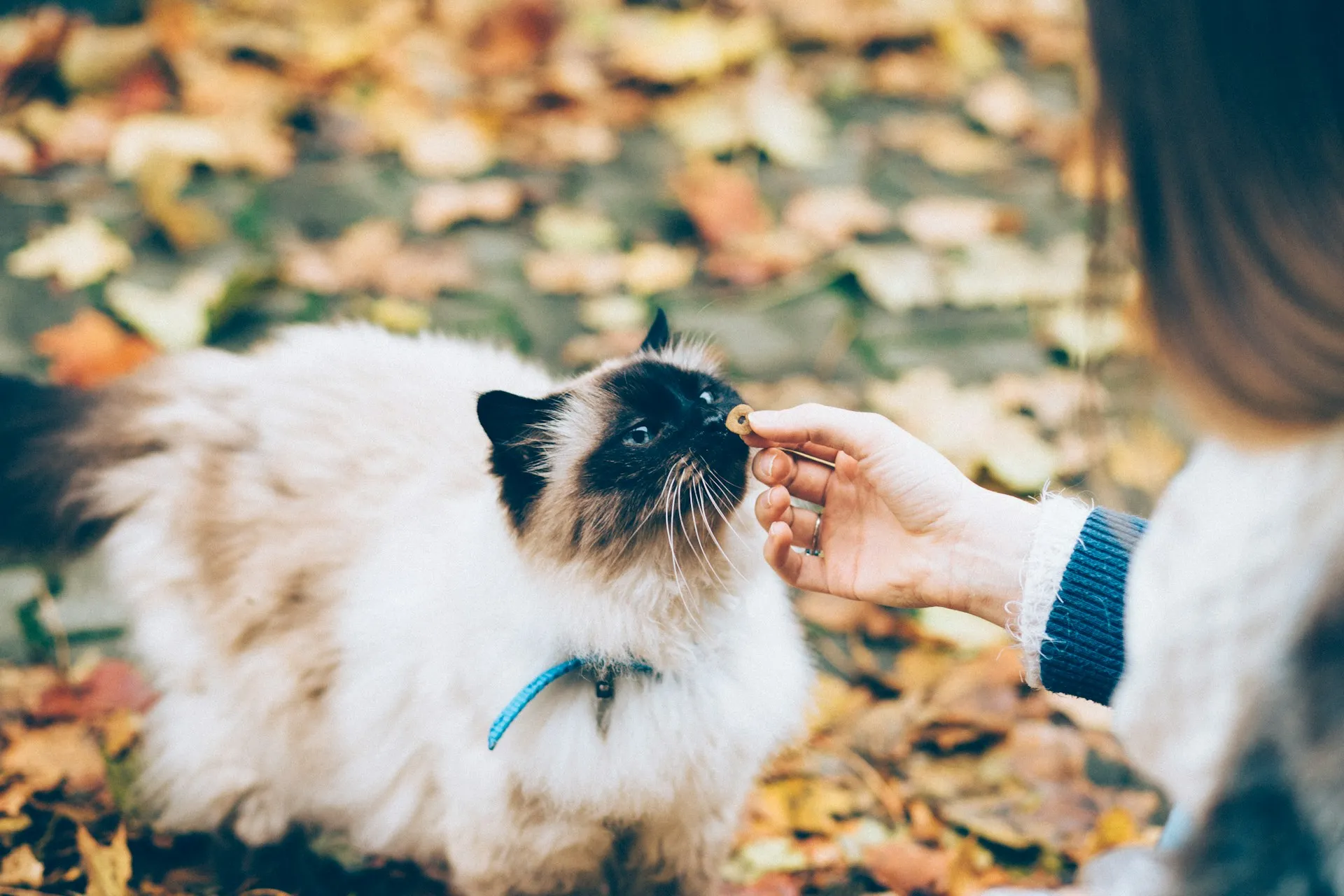
If your canine pal falls into the latter category, you’ll need to work with him to change his opinions. As you can probably guess, treats are going to come into play here.
Call Fido to you. Have him give you his paw, then give him a yummy snack and let him go.
How Do I Cut My Dog’s Nails?
Giving Fido his pawdicures can be pretty intimidating. As you may know, if you cut too far, you’ll cut into the quick, which contains nerve endings and blood vessels. It will be quite painful for your pet if that gets cut. Plus, your canine pal may bleed. He’ll also be at risk of infection
One thing you can try is getting a pair of clippers that are equipped with sensors. These will beep or light up to indicate where you can safely trim, taking the guesswork out of it.
You can also try using a dremel. Of course, this won’t work if your pooch is squeamish.
How Do I Keep My Dog From Tracking Mud In?
Our canine pals leave paw prints on our hearts. And our floors. And our stairs. Fido is especially prone to making messes when it’s muddy or rainy out.
One thing you can do is get a bath mat and put it outside the door that you and your pet usually go in and out of. A regular door mat will work, but bath mats are a good call here because they hold water and the fibers may clean off your pet’s feet.
You can also try to teach your furry pal to wipe his feet, or let you wipe them down. Keep a spray bottle and some clean cloths or rags near the door, along with a few yummy snacks.
What Else Do I Need To Do For My Dog’s Paws?
We recommend checking Fido’s feet regularly. You’ll want to look for things like swelling, cuts, bites, and lesions. You’ll also want to check for foreign objects and unwanted hitchhikers, such as ticks.
If you find a small cut or scrape, you can probably treat it yourself at home with antiseptic. Anything larger than that, though, you’ll want to contact your vet. Paw infections are nothing to play with.
Do I Need To Trim My Dog’s Toe Fur?
It’s not a bad idea. Those little tufts can be cute, but they can also trap ice or gunk, which can turn into painful balls or mats. They can also sometimes interfere with traction. Just use round scissors.
Why Do My Pet’s Paws Look Hairy?
If your pet’s paws look like they are forming thick hairs, or quills, Fido may have hyperkeratosis. This is a condition that is caused when Fido’s skin produces too much keratin. This is the same protein that forms the basis of our hair and nails. Snake scales are also made of keratin. Normally, keratin helps protect your pet’s skin. With hyperkeratosis, the overgrowth turns into crusty, scaly overgrowth.
There isn’t one exact known cause of hyperkeratosis. Some of the possible options include genetics, age, environmental factors, and certain medical conditions, such as nutritional deficiencies.
Symptoms of hyperkeratosis include:
- Crusty or scaly skin
- Dry skin
- Cracks
- Pain
- Discoloration
- Hair loss
Hyperkeratosis is treatable, but you’ll need to bring Fido to his vet for a thorough diagnosis.
Make An Appointment At Our Pet Clinic
Are you looking for a great vet in the area? Do you need to bring your canine pal in for vaccines, parasite control, or vaccinations? Please do not hesitate to contact us, your local pet clinic, for all of your pet’s veterinary care needs.
!Social Media Icons